Classroom Management Plan Example PDF: A Comprehensive Guide
Classroom management plan templates in PDF format offer customizable‚ professionally designed resources for educators. These plans streamline assignments‚ collaboration‚ and communication‚ accessible via web or mobile app.

A classroom management plan is a foundational document for educators‚ outlining strategies to create a productive learning environment. These plans‚ often available as PDF examples‚ aren’t simply about discipline; they encompass proactive approaches to foster positive behavior and academic engagement.
Effective plans address preventative measures‚ clear expectations‚ and consistent responses to misbehavior. Utilizing resources like PDF templates provides a structured starting point‚ adaptable to individual classroom needs and student demographics.
Google Classroom facilitates plan implementation by streamlining assignment distribution and communication. Accessing Classroom requires an internet connection and either a school or personal Google account. A well-defined plan‚ supported by tools like Classroom‚ is crucial for maximizing learning time and minimizing disruptions‚ ultimately benefiting both teachers and students. These plans are available for various grade levels.
Why a Classroom Management Plan is Crucial
A robust classroom management plan‚ often found as a downloadable PDF‚ is vital for establishing a focused and respectful learning atmosphere. Without a plan‚ classrooms can descend into chaos‚ hindering academic progress and teacher effectiveness. These plans aren’t merely reactive; they proactively shape student behavior and create a predictable environment.
Utilizing platforms like Google Classroom‚ accessible via web or mobile app‚ becomes significantly more effective with a clear management structure. A well-defined plan minimizes disruptions‚ maximizing instructional time. Students thrive in structured settings where expectations are clear and consistent.
Furthermore‚ a plan facilitates smoother communication with parents and guardians‚ fostering a collaborative approach to student success. PDF examples offer a starting point‚ adaptable to diverse classroom needs‚ ensuring every student has the opportunity to learn and grow. Consistent implementation is key.

Key Components of an Effective Plan
An effective classroom management plan‚ often available as a PDF resource‚ centers around clearly defined rules and expectations. These should be established collaboratively with students‚ promoting ownership and understanding. Consistent procedures and routines are equally crucial‚ minimizing confusion and maximizing instructional time.
Positive reinforcement strategies‚ acknowledging and rewarding positive behavior‚ are fundamental; Equally important is a tiered approach to addressing misbehavior‚ ranging from preventative measures to intensive interventions. Utilizing tools like Google Classroom‚ accessible on web or mobile‚ requires a plan to manage digital interactions.
A successful plan also emphasizes building strong relationships with students and maintaining open communication with parents. Documentation and data collection‚ tracking student behavior‚ are vital for informed decision-making and plan adjustments. PDF templates often include sections for these key elements.
Defining Classroom Rules and Expectations
A robust classroom management plan‚ often documented as a PDF‚ begins with clearly defined rules and expectations. These aren’t arbitrary; they should foster a safe‚ respectful‚ and productive learning environment. Consider involving students in the creation process – this builds ownership and understanding.

Rules should be positively stated (e.g.‚ “Respect others” instead of “No interrupting”) and limited in number for easy recall. Expectations should outline specific behaviors demonstrating those rules. For example‚ “Respect others” might translate to “Listen attentively when someone is speaking.”
Accessibility is key; post rules prominently. When utilizing platforms like Google Classroom‚ integrate these expectations into digital citizenship guidelines. A well-defined system‚ often detailed in PDF templates‚ minimizes ambiguity and sets the stage for effective management.
Establishing Clear Procedures and Routines
A comprehensive classroom management plan‚ frequently available as a PDF resource‚ heavily emphasizes established procedures and routines. These minimize disruptions and maximize instructional time. Think beyond major transitions – consider routines for entering the classroom‚ submitting assignments (especially within platforms like Google Classroom)‚ asking questions‚ and even sharpening pencils.
Procedures should be explicitly taught and practiced. Model the desired behavior‚ then provide opportunities for students to rehearse. Consistency is paramount; enforce routines fairly and predictably. Visual cues‚ like posted checklists‚ can aid student independence.
Well-defined routines create a sense of predictability and security‚ reducing anxiety and promoting a focused learning atmosphere. A detailed PDF plan often includes flowcharts or step-by-step guides for common classroom activities.
Positive Reinforcement Strategies

A robust classroom management plan example PDF will dedicate significant space to positive reinforcement. This proactive approach focuses on acknowledging and rewarding desired behaviors‚ fostering a positive learning environment. Strategies extend beyond simple praise; consider implementing a token economy system‚ awarding class points for collective achievements‚ or utilizing positive notes home.
Specific and genuine praise is crucial; Instead of “Good job‚” try “I noticed how quickly you transitioned to your seats – thank you for being prepared!” A well-structured PDF plan will outline a variety of reinforcement options to cater to diverse student needs.
Remember to vary rewards to maintain their effectiveness. Public acknowledgement‚ small privileges‚ and tangible rewards (when appropriate) can all be valuable tools. Prioritize reinforcing effort and improvement‚ not just innate ability.
Addressing Misbehavior: A Tiered Approach
A comprehensive classroom management plan example PDF advocates for a tiered approach to addressing misbehavior‚ moving from least to most intensive interventions. Tier 1 focuses on preventative strategies – clear expectations‚ engaging lessons‚ and proactive relationship building. This minimizes disruptions before they occur.
Tier 2 involves corrective strategies for minor infractions. These might include verbal reminders‚ redirection‚ or loss of privileges. Consistency is key; the PDF should detail specific consequences for specific behaviors. Documentation of these interventions is also vital.
Tier 3 addresses persistent or serious misbehavior‚ potentially involving parent contact‚ administrative referrals‚ or behavior contracts. The PDF should outline a clear escalation process‚ ensuring due process and student support. This tiered system promotes fairness and individualized responses.
Tier 1: Preventative Strategies
A robust classroom management plan example PDF prioritizes preventative strategies as the foundation of positive behavior. This tier focuses on proactively creating a learning environment that minimizes disruptions. Key elements include establishing clear‚ concise classroom rules and consistently reinforcing expected behaviors.
Engaging lesson plans are crucial; activities should be differentiated to meet diverse student needs and maintain interest. Proactive classroom arrangement – optimizing visibility and minimizing distractions – also falls within Tier 1. Building strong relationships with students through positive interactions and genuine care is paramount.
Furthermore‚ explicit teaching of expected behaviors‚ routines‚ and procedures ensures students understand expectations. A well-defined Tier 1‚ detailed in the PDF‚ reduces the need for reactive interventions‚ fostering a productive and respectful classroom climate.
Tier 2: Corrective Strategies
When preventative measures (Tier 1) prove insufficient‚ a classroom management plan example PDF outlines Tier 2: Corrective Strategies. These interventions address minor misbehaviors before they escalate. Examples include non-verbal cues like eye contact or proximity control‚ serving as gentle reminders of expectations.
Verbal redirection‚ offering a brief‚ private correction‚ is another Tier 2 tactic. Loss of privileges‚ thoughtfully applied and linked to the misbehavior‚ can also be effective. A key component is consistent application of consequences‚ ensuring fairness and predictability.

The PDF emphasizes documenting these interventions – date‚ time‚ behavior‚ and response – for tracking patterns. Parent communication‚ informing guardians of recurring issues‚ may also be included at this tier. Tier 2 aims to help students self-correct and return to appropriate behavior with minimal disruption to learning.
Tier 3: Intensive Interventions
A classroom management plan example PDF details Tier 3: Intensive Interventions for persistent or severe misbehaviors‚ requiring individualized support. These strategies go beyond typical classroom corrections and often involve collaboration with school support staff.
Examples include behavior contracts‚ outlining specific expectations and rewards/consequences‚ and individual counseling sessions to address underlying issues. Referral to the school counselor‚ psychologist‚ or administrator is common at this level.
The PDF stresses the importance of Functional Behavior Assessments (FBAs) to understand the why behind the behavior‚ leading to targeted interventions. Parent conferences are crucial‚ fostering a collaborative approach. These interventions are documented meticulously‚ tracking progress and adjusting strategies as needed. Tier 3 aims to provide intensive support to help students develop more positive behavioral patterns and succeed academically.
Creating a Positive Classroom Environment
A comprehensive classroom management plan example PDF emphasizes that a positive environment is foundational for effective learning. This involves proactively fostering a sense of belonging and respect among students.
Strategies include establishing clear routines and expectations‚ as well as incorporating positive reinforcement techniques. Displaying student work‚ celebrating successes‚ and using encouraging language contribute to a supportive atmosphere.
The PDF highlights the importance of physical space – ensuring it’s organized‚ inviting‚ and conducive to learning. Promoting collaboration through group activities and peer support further enhances the classroom climate. A positive environment minimizes disruptive behaviors and maximizes student engagement. It’s about creating a space where students feel safe‚ valued‚ and motivated to learn‚ ultimately supporting academic and social-emotional growth.

Building Relationships with Students
A well-structured classroom management plan example PDF underscores the critical role of strong teacher-student relationships. These connections aren’t merely beneficial; they are fundamental to effective classroom management and student success.
The PDF suggests strategies like learning students’ names quickly‚ showing genuine interest in their lives‚ and actively listening to their concerns. Regular one-on-one interactions‚ even brief check-ins‚ can significantly strengthen these bonds.
Demonstrating empathy‚ fairness‚ and consistency builds trust and respect. A teacher who understands their students’ individual needs and learning styles can tailor their approach accordingly. Positive relationships create a safe and supportive learning environment where students feel comfortable taking risks and seeking help. This proactive approach minimizes behavioral issues and fosters a sense of community within the classroom.
Communication with Parents and Guardians
A comprehensive classroom management plan example PDF emphasizes consistent and open communication with parents and guardians as a cornerstone of success. This partnership is vital for reinforcing classroom expectations and addressing any challenges that may arise.
The PDF outlines various methods‚ including regular newsletters‚ email updates‚ phone calls‚ and parent-teacher conferences. Utilizing online platforms like Google Classroom facilitates easy sharing of student progress and assignments;
Involving parents in the management plan—sharing the rules and expectations—creates a unified front. Promptly addressing concerns and celebrating successes collaboratively builds trust and strengthens the home-school connection. Clear‚ concise‚ and frequent communication ensures parents are informed and empowered to support their child’s learning and positive behavior. This collaborative approach significantly enhances the effectiveness of the overall plan.
Methods of Parent Communication
A well-defined classroom management plan example PDF details diverse methods for consistent parent communication. These include traditional approaches like weekly newsletters summarizing classroom activities and student progress‚ and scheduled phone calls to discuss individual concerns.
Modern strategies highlighted in the PDF leverage technology. Email updates provide quick announcements‚ while platforms like Google Classroom enable real-time sharing of assignments and behavior reports. Some plans suggest utilizing messaging apps for brief‚ immediate updates.
Parent-teacher conferences‚ both scheduled and as-needed‚ are crucial for in-depth discussions. The PDF may also recommend a class website or blog for posting important information. Choosing multiple communication channels ensures accessibility and caters to diverse parent preferences‚ fostering a strong home-school partnership.
Involving Parents in the Management Plan
A comprehensive classroom management plan example PDF emphasizes proactive parent involvement. This begins with sharing the plan itself‚ ensuring parents understand classroom rules‚ expectations‚ and consequences. Seeking parent feedback during the plan’s development fosters a sense of ownership and collaboration.
The PDF often suggests opportunities for parents to volunteer in the classroom‚ reinforcing positive behaviors and demonstrating support for learning. Regular communication about student progress‚ both positive and areas for improvement‚ keeps parents informed and engaged.
Some plans outline a “home-school connection” component‚ with parents reinforcing classroom expectations at home. Encouraging parents to sign behavior charts or acknowledge completed assignments promotes accountability. Ultimately‚ a collaborative approach‚ detailed in the PDF‚ strengthens the learning environment.
Documentation and Data Collection
A robust classroom management plan example PDF highlights the importance of meticulous documentation. This includes detailed records of both positive reinforcement and instances of misbehavior‚ providing a clear picture of student conduct trends. Tracking behavior allows teachers to identify patterns and tailor interventions effectively.
The PDF often suggests using checklists‚ anecdotal notes‚ or digital tracking systems to record observations. Data collection should be objective and specific‚ focusing on observable behaviors rather than subjective interpretations. Maintaining confidentiality is paramount when documenting student information.
Analyzing collected data informs adjustments to the management plan‚ ensuring its continued effectiveness. The PDF emphasizes using data to identify students needing additional support and to evaluate the success of implemented strategies. This data-driven approach promotes continuous improvement.
A comprehensive classroom management plan example PDF stresses proactive behavior tracking. This involves consistently monitoring student engagement and identifying potential issues before they escalate. Teachers can utilize simple observation checklists‚ noting instances of on-task behavior‚ participation‚ and interactions with peers.
The PDF often recommends focusing on positive behaviors as well‚ recording instances of students demonstrating expected conduct. This reinforces desired actions and provides data for positive reinforcement strategies. Frequency counts of specific behaviors – like raising hands or completing assignments – can reveal trends.
Effective tracking isn’t solely about recording negative incidents. It’s about building a holistic understanding of each student’s behavior patterns. This data informs preventative measures‚ allowing teachers to adjust their approach and create a more supportive learning environment‚ as outlined in many PDF examples.
A well-structured classroom management plan example PDF emphasizes that tracked behavioral data isn’t just for record-keeping; it’s a crucial tool for plan refinement. Analyzing trends – identified through observation checklists and frequency counts – reveals which preventative strategies are effective and where adjustments are needed.
PDF examples often suggest looking for patterns: are certain behaviors more common during specific activities or times of day? Is a particular student consistently struggling with the same expectations? This data informs targeted interventions.
The PDF guides teachers to use this information to modify rules‚ routines‚ or reinforcement systems. If a preventative strategy isn’t working‚ the data justifies exploring alternative approaches. Regularly reviewing and revising the plan‚ based on concrete evidence‚ ensures its continued effectiveness and responsiveness to student needs.
Classroom Management Plan Example PDF Resources

Numerous online resources offer classroom management plan example PDF templates‚ catering to diverse grade levels and school settings. Websites provide customizable plans‚ designed to streamline assignments‚ boost collaboration‚ and enhance communication between teachers‚ students‚ and parents.
Google Classroom’s official Help Center offers guidance and tips for utilizing the platform effectively‚ alongside answers to frequently asked questions. Many PDF templates focus on preventative strategies‚ corrective actions‚ and intensive interventions‚ mirroring a tiered approach to behavior management.
These resources often include sections for defining classroom rules‚ establishing routines‚ and documenting student behavior. Educators can access professionally designed plans‚ adaptable to their specific classroom needs‚ fostering a positive learning environment. Remember to explore options aligned with your school’s policies and student demographics.
Adapting the Plan for Different Grade Levels
A successful classroom management plan example PDF isn’t one-size-fits-all; adaptation is crucial. Elementary plans prioritize establishing routines and positive reinforcement‚ focusing on simple rules and visual cues. As students mature‚ plans should incorporate increased responsibility and self-regulation strategies.
Middle school plans require more student input in rule creation and emphasize restorative practices. High school plans should focus on fostering independence‚ accountability‚ and preparing students for future success. Consider developmental stages when defining expectations and consequences.
Utilizing Google Classroom effectively across grade levels necessitates adjusting communication methods and assignment complexity. PDF templates can be modified to reflect these changes‚ ensuring relevance and engagement. Remember to regularly review and revise the plan based on student needs and classroom dynamics.
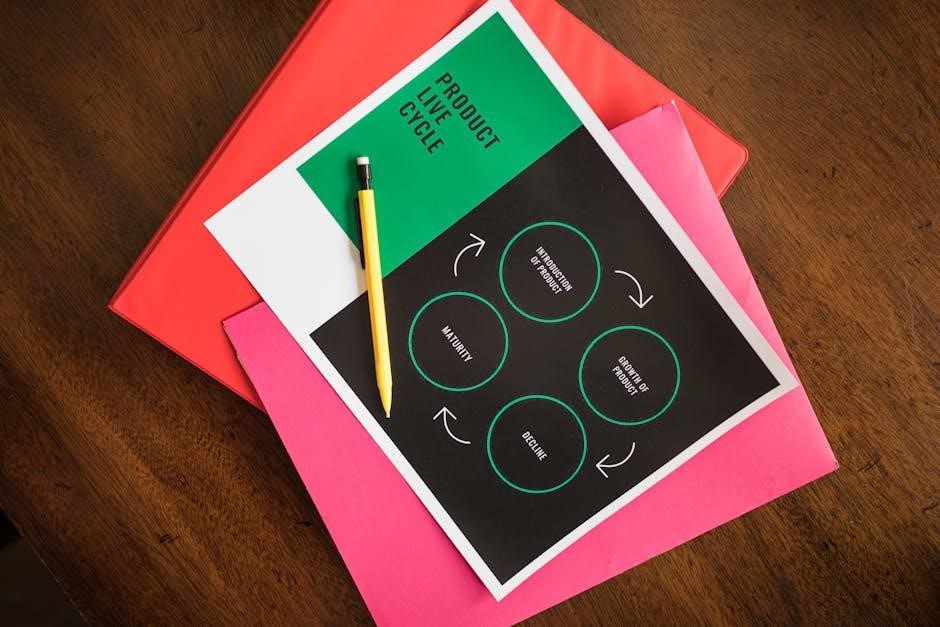
Reviewing and Revising the Classroom Management Plan

A classroom management plan example PDF isn’t a static document; consistent review and revision are essential for sustained effectiveness. Regularly analyze collected data – tracking student behavior – to identify areas for improvement. Are certain procedures consistently problematic? Are rewards motivating students?
Solicit feedback from students and parents. Their perspectives offer valuable insights into the plan’s strengths and weaknesses. Adjust rules and consequences as needed‚ ensuring they remain fair‚ consistent‚ and aligned with school-wide policies.
Utilize Google Classroom’s features to monitor student engagement and identify potential issues proactively. A flexible PDF template allows for easy modifications. Embrace a growth mindset‚ viewing revisions not as failures‚ but as opportunities to refine the plan and better support student success.