Numerous public health organizations advocate for low-fat dairy within a balanced diet, as detailed in available PDF guides and resources.
Recent discussions suggest potential shifts in dietary recommendations, possibly diverging from long-standing low-fat approaches, as indicated by current guidelines.
Exploring a low-fat approach involves understanding its historical context, current recommendations (as of 12/25/2025), and practical implementation through PDF resources.
What is a Low-Fat Diet?
A low-fat diet strategically limits overall fat intake, aiming for improved health outcomes, often detailed within comprehensive PDF guides. Generally, this involves deriving no more than 30% of daily calories from fat sources.
Such a dietary pattern emphasizes lean proteins, fruits, vegetables, and whole grains, as outlined in many accessible PDF meal plans. It’s not about eliminating fat entirely, but rather prioritizing healthier fat types.
Resources, including downloadable PDFs, often categorize fats into saturated, unsaturated, and trans fats, advising limitations on the first and avoidance of the last. The goal is weight management and heart health, as explained in various PDF resources.
Understanding the nuances of a low-fat approach, often found in detailed PDFs, is crucial for successful implementation and long-term adherence.
Historical Context of Low-Fat Diet Recommendations
The emphasis on low-fat diets gained prominence in the mid-20th century, fueled by concerns linking dietary fat to rising heart disease rates, as documented in historical PDF reports.
Early recommendations, often detailed in government-issued PDFs, advocated for reducing total fat intake, particularly saturated fat, to lower cholesterol levels and improve cardiovascular health.
For decades, this approach dominated dietary guidelines, influencing food production and consumer choices, with numerous PDF resources promoting low-fat alternatives.
However, recent scrutiny, highlighted in updated PDF analyses, questions the oversimplification of fat’s role, leading to evolving perspectives and potential shifts in future recommendations.
The historical trajectory, readily available in archived PDF documents, reveals a complex evolution of understanding regarding dietary fat and health.
Current Dietary Guidelines & Low-Fat Approaches (as of 12/25/2025)
As of December 25, 2025, the U.S. Dietary Guidelines still acknowledge the benefits of moderate fat intake, but emphasize quality over quantity, detailed in current PDF releases.
While a strict low-fat approach isn’t universally prescribed, recommendations encourage prioritizing unsaturated fats and limiting saturated and trans fats, as outlined in official PDFs.
However, emerging discussions, previewed in preliminary PDF reports, suggest potential revisions, possibly moving away from blanket low-fat recommendations towards a more nuanced approach.
Health Secretary Robert F. Kennedy Jr.’s comments hint at a radical departure, potentially challenging decades of low-fat dogma, as speculated in leaked PDF documents.
Current PDF resources still advocate for low-fat dairy, but the future direction remains uncertain, pending the release of updated guidelines this fall.

Benefits of a Low-Fat Diet
Low-fat diets aid weight management and support heart health, as detailed in comprehensive PDF guides available online.
These diets can also assist with blood sugar control, though comparisons to low-carb approaches are found in PDF resources.
Exploring PDFs reveals potential advantages for overall wellness through reduced fat intake and mindful food choices.
Weight Management and Low-Fat Diets
Numerous PDF resources highlight the connection between low-fat diets and successful weight management strategies. A generally low-fat dietary pattern can effectively contribute to weight loss or maintaining a healthy weight, a key focus for many individuals.
Studies, often summarized within these PDF guides, demonstrate comparable weight loss results between low-fat and low-carb diets over a 6-12 month period. However, the initial rate of weight loss may differ, with low-carb diets sometimes showing quicker early results.
The principle lies in reducing overall calorie intake, as fat is calorie-dense. PDFs emphasize choosing lower-fat alternatives and mindful portion control to support weight management goals, promoting a sustainable approach to a healthier lifestyle.
Heart Health and Reduced Fat Intake
PDF guides consistently emphasize the positive impact of reduced fat intake on cardiovascular health. Lowering fat consumption, particularly saturated and trans fats, is a cornerstone of heart-healthy dietary patterns, as detailed in numerous resources.
These materials often highlight how low-fat diets can contribute to improved cholesterol levels, reducing the risk of heart disease. Choosing lean protein sources and low-fat dairy alternatives, as suggested in PDF meal plans, supports this benefit.
Furthermore, a low-fat approach can aid in weight management, indirectly benefiting heart health. PDFs often present this as a holistic strategy, combining dietary changes with lifestyle modifications for optimal cardiovascular well-being.
Blood Sugar Control: Low-Fat vs. Low-Carb
PDF resources comparing dietary approaches reveal that both low-fat and low-carb diets can effectively aid weight loss, with similar outcomes observed after 6-12 months. However, their initial impacts on blood sugar differ;
Low-carb diets often demonstrate quicker early improvements in blood sugar control, making them potentially advantageous for individuals with insulin resistance. Conversely, PDF guides suggest low-fat diets support overall metabolic health.
The choice between the two depends on individual needs and preferences, with PDFs often advocating for personalized dietary plans. Careful consideration of these factors, guided by healthcare professionals, is crucial for optimal blood sugar management.
Understanding Fats: The Good, the Bad, and the Ugly
PDF guides detail categorizing fats: limiting saturated fats to under 10% of calories, prioritizing unsaturated fats, and strictly avoiding trans fats.
Understanding these distinctions, as outlined in PDF resources, is vital for implementing a healthy, effective low-fat dietary plan.
Saturated Fats: Limits and Sources
PDF resources consistently emphasize limiting saturated fat intake to no more than 10% of total daily calories when following a low-fat diet. This recommendation stems from its association with increased LDL cholesterol levels, potentially elevating heart disease risk.
Common sources of saturated fats, detailed in dietary PDF guides, include high-fat meats like beef and pork, processed meats, full-fat dairy products – such as whole milk, cheese, and butter – and certain tropical oils like coconut and palm oil.
Careful label reading, as demonstrated in many PDF meal planning guides, is crucial for identifying and minimizing saturated fat consumption. Choosing lean protein sources and low-fat dairy alternatives are key strategies.
Unsaturated Fats: Healthy Choices
PDF guides on low-fat diets highlight unsaturated fats as beneficial components of a heart-healthy eating plan. These fats, unlike saturated fats, can help improve cholesterol levels when consumed in moderation.
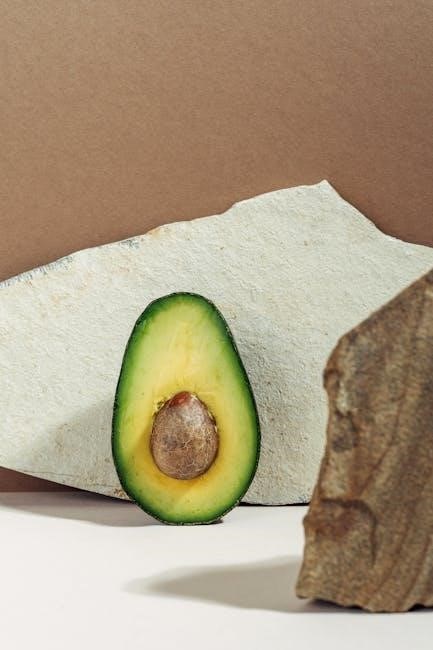
Monounsaturated fats, found in olive oil, avocados, and nuts, are particularly encouraged. Polyunsaturated fats, including omega-3 and omega-6 fatty acids, are abundant in fatty fish like salmon, flaxseeds, and walnuts, as detailed in various PDF resources.
Incorporating these sources, as suggested in sample meal plans within PDF documents, supports overall health while adhering to a lower-fat dietary approach. Prioritizing unsaturated fats over saturated and trans fats is a cornerstone of this strategy.
Trans Fats: Foods to Avoid
Low-fat diet PDF guides universally emphasize the critical need to eliminate trans fats from your eating plan. These fats offer no health benefits and actively contribute to increased LDL (“bad”) cholesterol, elevating heart disease risk.
Common sources include fried foods, commercially baked goods (cookies, cakes, pastries), and some processed snacks. PDF resources often provide lists of ingredients to watch for, such as “partially hydrogenated oil,” a key indicator of trans fat presence.
Careful label reading, as detailed in many PDF meal planning guides, is essential. Choosing fresh, whole foods over processed options is the most effective way to avoid hidden trans fats and support a healthy, low-fat diet.
Implementing a Low-Fat Diet: A Practical Guide
Utilize PDF resources for detailed guidance on reading food labels, selecting low-fat dairy, and mastering low-fat cooking techniques like grilling and steaming.
Reading Food Labels for Fat Content
Successfully navigating a low-fat diet hinges on proficiently deciphering food labels, and many PDF guides offer detailed instruction. Begin by examining the “Total Fat” grams per serving; lower numbers are generally preferable.
Next, scrutinize the breakdown of fats: saturated, unsaturated, and trans fats. Aim to minimize saturated and completely avoid trans fats, as highlighted in dietary PDFs.
Pay close attention to serving sizes, as fat content is listed per serving. Consider the percentage of Daily Value (%DV) for fat; 5% DV or less is considered low, while 20% DV or more is high. PDF resources often include visual aids to simplify this process, ensuring informed food choices.
Choosing Low-Fat Dairy Alternatives
Transitioning to a low-fat diet often necessitates exploring dairy alternatives, comprehensively covered in many PDF diet plans. Opt for skim or 1% milk over whole milk, significantly reducing fat intake.
Consider plant-based milks like almond, soy, oat, or cashew milk – ensuring they are unsweetened to avoid added sugars. PDF guides frequently detail the nutritional profiles of these options.
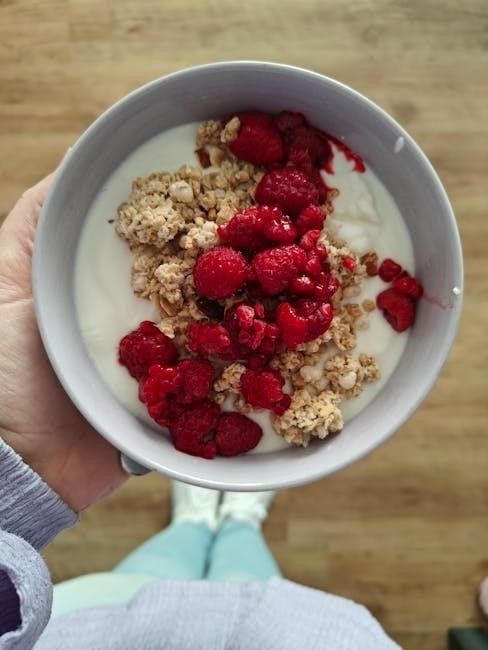
For yogurt, choose non-fat or low-fat varieties, and be mindful of added sugars. Similarly, explore low-fat or fat-free cheese alternatives. PDF resources often provide brand recommendations and comparison charts, simplifying the selection process for a healthier diet.
Low-Fat Cooking Methods (Grilling, Baking, Steaming)
Embracing low-fat cooking techniques is crucial for diet success, often detailed within comprehensive PDF diet guides. Grilling allows fat to drip away, minimizing intake, while baking requires minimal added fats.
Steaming preserves nutrients without needing any oil, making it an exceptionally healthy option. Avoid frying, as it significantly increases fat content. PDF resources often include recipe adaptations for these methods.
When sautéing, use broth or water instead of oil. Explore air frying as a healthier alternative to deep frying. Many PDF plans offer detailed cooking instructions and tips for maximizing flavor while minimizing fat.
Sample Low-Fat Meal Plan
Detailed PDF meal plans offer breakfast, lunch, and dinner ideas, alongside snack suggestions, to support sustained energy while adhering to low-fat principles.
These plans emphasize lean proteins, fruits, and whole grains, providing flavorful, low-fat options for daily consumption, as found in PDF guides.
Breakfast Ideas for a Low-Fat Diet
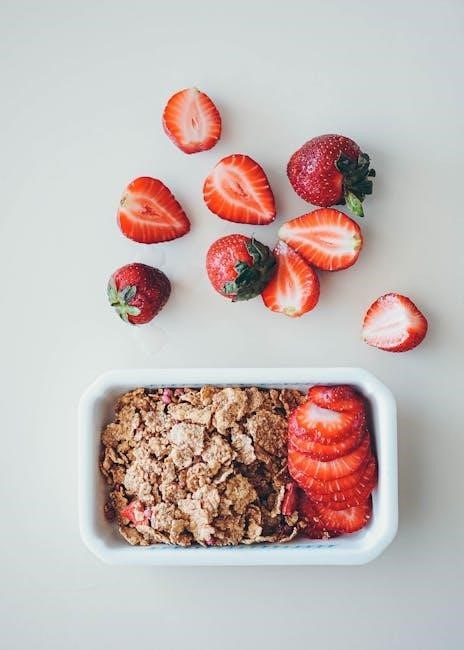
Kickstart your day with options detailed in many low-fat diet PDF guides! Oatmeal, prepared with water or skim milk, topped with berries, is a fantastic choice.
Consider whole-wheat toast with a thin spread of avocado or a small amount of fruit preserves – avoid high-sugar jams.
Egg whites scrambled with spinach and mushrooms provide protein without the saturated fat of the yolk.
Smoothies made with low-fat yogurt, fruit, and a handful of spinach are quick and nutritious.
Look for PDF resources that offer portion control guidance to ensure your breakfast remains within your daily fat limits.
Remember to prioritize whole, unprocessed foods for a healthy and satisfying start to your day!
Lunch Options: Keeping it Lean
Numerous low-fat diet PDF guides emphasize lean protein and fiber-rich foods for satisfying lunches.
Opt for a large salad with grilled chicken or fish, using a light vinaigrette dressing – avoid creamy options.
Whole-wheat sandwiches filled with turkey breast, lettuce, tomato, and mustard are a convenient choice.
Lentil soup or vegetable-based soups are excellent low-fat options, often detailed in meal plans within PDF resources.
Consider leftovers from a healthy, low-fat dinner to simplify lunch preparation and maintain consistency.
Always check food labels and portion sizes, as outlined in PDF guides, to stay within your fat intake goals.
Dinner Recipes: Flavorful and Low in Fat
Many low-fat diet PDF resources showcase recipes prioritizing lean proteins and abundant vegetables.
Baked or grilled fish, seasoned with herbs and spices, is a fantastic option, often detailed in recipe collections.
Stir-fries with chicken or shrimp and plenty of colorful vegetables, using minimal oil, are quick and healthy.
Lentil or bean-based stews are hearty, filling, and naturally low in fat, frequently found in PDF meal plans.
Roast chicken breast with roasted vegetables provides a satisfying and nutritious meal, as shown in guides.
Remember to utilize low-fat cooking methods like grilling, baking, or steaming, as emphasized in PDF resources.
Snack Suggestions for Sustained Energy
Low-fat diet PDF guides often emphasize snacks that provide lasting energy without excessive fat content.
Fresh fruits like apples, bananas, or berries are excellent choices, naturally low in fat and rich in nutrients.
Non-fat yogurt with a sprinkle of granola offers protein and fiber for sustained fullness, detailed in many plans.
A small handful of unsalted nuts provides healthy fats, but portion control is key, as noted in PDFs.
Vegetable sticks (carrots, celery) with hummus are a crunchy and satisfying low-fat snack option.
Air-popped popcorn (without butter) is a whole-grain snack that can help curb cravings, per PDF recommendations.
Foods to Include in a Low-Fat Diet
PDF guides highlight lean proteins, fruits, and vegetables as cornerstones of a low-fat diet, naturally low in fat content.
Whole grains are also recommended, providing healthy carbohydrates and supporting overall wellness, as detailed in resources.
Lean Protein Sources
PDF resources consistently emphasize incorporating lean protein sources into a low-fat dietary pattern for sustained energy and muscle maintenance. Excellent choices include skinless poultry – chicken and turkey breast are particularly beneficial – offering substantial protein with minimal fat.
Fish, especially white fish like cod, haddock, and tilapia, provides high-quality protein and essential omega-3 fatty acids, contributing to heart health. Legumes, such as beans, lentils, and chickpeas, are plant-based protein powerhouses, also rich in fiber.
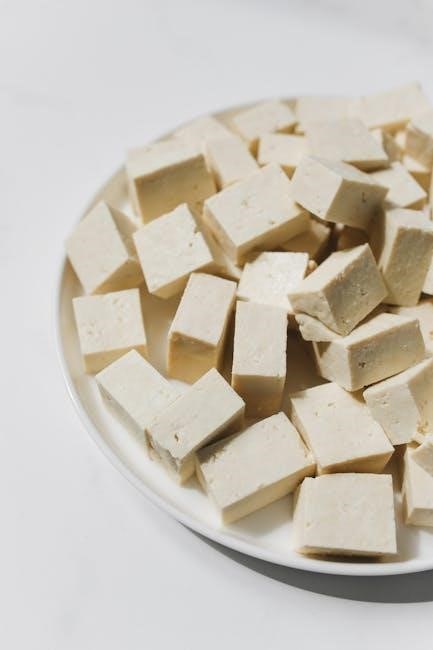
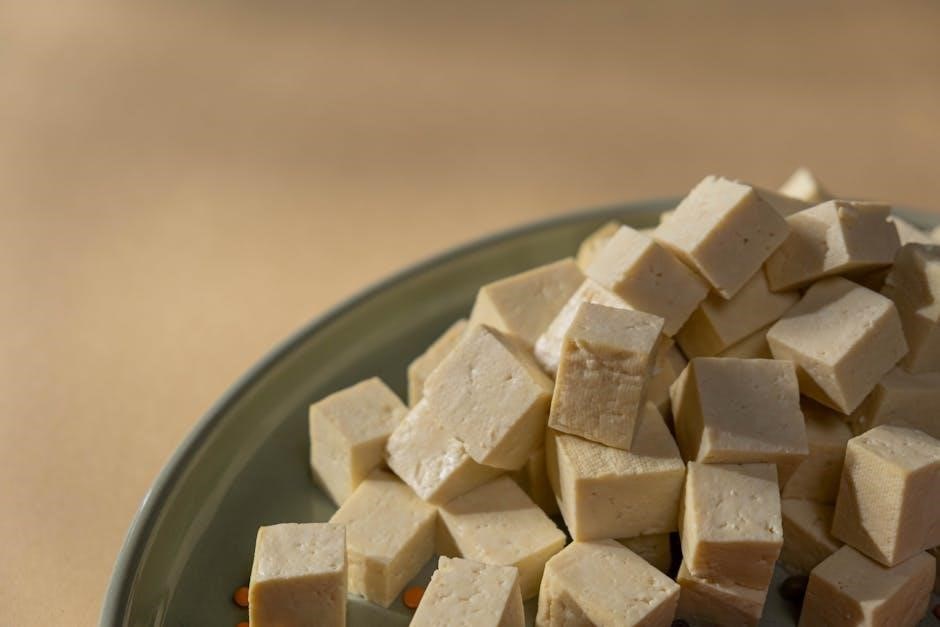
Tofu and tempeh, derived from soybeans, are versatile options for vegetarians and vegans. Lean cuts of beef and pork, trimmed of visible fat, can be included in moderation. Remember to prioritize preparation methods like grilling, baking, or steaming to avoid adding unnecessary fats.
Fruits and Vegetables: Naturally Low in Fat
PDF guides on low-fat diets universally highlight fruits and vegetables as cornerstones, being inherently low in fat and packed with essential vitamins, minerals, and fiber. A wide variety should be consumed daily, aiming for colorful options to maximize nutrient intake.
Non-starchy vegetables like broccoli, spinach, lettuce, and peppers offer bulk and satiety with minimal caloric impact. Fruits such as berries, apples, oranges, and melons provide natural sweetness and antioxidants.
Focus on whole, unprocessed forms, avoiding added sugars or fats in preparations. Incorporating these into every meal and snack supports weight management and overall health, aligning perfectly with low-fat diet principles as detailed in available resources.
Whole Grains: A Healthy Carbohydrate Choice
Low-fat diet PDF resources consistently recommend whole grains as a preferable carbohydrate source over refined options. These provide sustained energy, fiber, and essential nutrients, contributing to feelings of fullness and supporting digestive health.
Examples include brown rice, quinoa, oats, whole-wheat bread, and barley. Choosing whole grains over white bread or processed cereals helps regulate blood sugar levels and promotes heart health.
Portion control remains important, even with healthy carbohydrates. PDF guides often suggest incorporating whole grains into meals alongside lean proteins and plenty of fruits and vegetables for a balanced, low-fat dietary pattern.
Foods to Limit or Avoid on a Low-Fat Diet
PDF guides emphasize limiting high-fat meats, full-fat dairy, and fried foods; these contribute significantly to overall fat intake and hinder low-fat diet goals.
High-Fat Meats and Processed Meats
PDF resources consistently highlight the need to significantly reduce or eliminate high-fat meats and processed meat products when following a low-fat dietary plan. These items are often laden with saturated fats, directly counteracting the core principles of a low-fat approach.
Examples include fatty cuts of beef, pork, lamb, and poultry with skin. Processed meats like sausages, bacon, hot dogs, and deli meats frequently contain substantial amounts of hidden fats and sodium, making them particularly detrimental.
Choosing leaner alternatives, such as skinless chicken breast, fish, or plant-based protein sources, is strongly recommended. Careful label reading, as detailed in many PDF guides, is crucial to identify and avoid these high-fat options.
Full-Fat Dairy Products
PDF guides on low-fat diets universally emphasize minimizing or avoiding full-fat dairy products. These are significant contributors to overall fat intake, particularly saturated fat, which should be limited. Common culprits include whole milk, cream, butter, full-fat cheese, and regular yogurt.
Instead, the resources advocate for switching to lower-fat or fat-free alternatives. Options like skim milk, low-fat yogurt, and reduced-fat cheeses are encouraged. Many PDFs provide detailed comparisons of nutritional values to aid in informed choices.
Dairy alternatives, such as almond milk, soy milk, or oat milk, are also frequently suggested for those seeking to further reduce fat content, offering comparable calcium and vitamin D benefits.
Fried Foods and Fast Food
Low-fat diet PDF resources consistently highlight fried foods and fast food as items to strictly limit or avoid. The frying process significantly increases fat content, often utilizing unhealthy oils. Fast food, by its nature, is typically high in fat, sodium, and calories, hindering weight management goals.
PDF guides often detail the hidden fats in seemingly innocuous fast-food items, emphasizing the importance of reading nutritional information. Choosing baked, grilled, or steamed options over fried alternatives is strongly recommended.
Home-prepared meals are favored, allowing for control over ingredients and cooking methods, ensuring minimal fat addition compared to commercially prepared fast food.
Potential Challenges and Considerations
PDF guides acknowledge potential nutrient deficiencies on very low-fat diets, emphasizing the fat’s role in satiety and nutrient absorption.
Consultation with a dietitian or healthcare team is crucial for personalized guidance and addressing individual needs, as detailed in PDFs.
Nutrient Deficiencies on a Very Low-Fat Diet
A significantly reduced fat intake, as outlined in many PDF resources on low-fat diets, can potentially lead to deficiencies in essential fat-soluble vitamins – A, D, E, and K.
These vitamins require dietary fat for proper absorption within the digestive system; therefore, restricting fat severely can hinder their uptake and utilization by the body.
Furthermore, essential fatty acids, like omega-3 and omega-6, are crucial for brain health, inflammation control, and overall well-being, and are obtained through fat consumption.
PDF guides often recommend careful planning and potential supplementation to mitigate these risks, ensuring adequate intake of these vital nutrients while adhering to a low-fat approach.
Monitoring vitamin levels and working with a healthcare professional are essential to prevent deficiencies and maintain optimal health on a very low-fat diet.
The Role of Fat in Satiety and Absorption
Dietary fat plays a significant role in promoting satiety, the feeling of fullness after eating, as detailed in various PDF guides on nutrition.
Compared to carbohydrates and proteins, fat digests more slowly, contributing to a prolonged sense of fullness and potentially aiding in weight management.
Moreover, fat is crucial for the absorption of fat-soluble vitamins (A, D, E, and K), as these vitamins require fat to be effectively transported and utilized by the body.
Reducing fat intake too drastically, as some low-fat PDF plans suggest, may lead to increased hunger and reduced nutrient absorption, impacting overall health.
Therefore, a balanced approach, considering fat’s role in both satiety and absorption, is vital for sustainable dietary success and optimal well-being.
Consulting with a Dietitian or Healthcare Team
Embarking on a low-fat diet, especially with resources from a PDF guide, benefits greatly from personalized guidance from qualified professionals.
A registered dietitian can assess individual needs, considering health status, lifestyle, and dietary preferences, to create a tailored plan.
They can help navigate potential nutrient deficiencies, ensuring adequate intake of essential vitamins and minerals while reducing fat consumption.
Healthcare providers can monitor overall health, addressing any underlying conditions or medications that may influence dietary choices.
Collaborating with a team ensures a safe, effective, and sustainable approach to a low-fat diet, maximizing benefits and minimizing risks.
Low-Fat Diet Resources & PDF Guides
Numerous online resources and PDF guides offer detailed low-fat diet plans, meal planning tools, and insights from health organizations.
Government health websites provide official guidelines and downloadable PDFs for cholesterol and saturated fat reduction.
Utilizing these resources supports informed decision-making and successful implementation of a low-fat dietary approach.
Finding Reliable Low-Fat Diet Plans Online
Navigating the digital landscape for low-fat diet plans requires discernment. Prioritize websites affiliated with reputable health organizations, governmental bodies, or registered dietitians. Look for plans grounded in scientific evidence, avoiding those promoting extreme restrictions or unsubstantiated claims.
Many organizations offer downloadable PDF guides detailing meal plans, recipes, and nutritional information. The U.S. Dietary Guidelines website is a valuable starting point, alongside resources from the American Heart Association.
Be cautious of blogs or forums lacking credible sources. Cross-reference information and consult a healthcare professional before making significant dietary changes. Ensure the plan aligns with your individual health needs and preferences, offering sustainable, long-term solutions.
Remember to check for updated guidelines, as recommendations evolve.
Utilizing PDF Resources for Meal Planning
PDF resources are invaluable tools for structured low-fat meal planning. Downloadable guides often provide pre-designed meal plans, complete with recipes and grocery lists, simplifying the process significantly. These documents frequently detail portion sizes and nutritional breakdowns, aiding in accurate tracking.
Look for PDFs offering customizable templates, allowing you to adapt meals to your preferences and dietary needs. Many include shopping lists categorized by food groups, streamlining grocery trips.
Utilize features like highlighting and annotation to mark favorite recipes or make notes on substitutions. Printable formats facilitate easy access in the kitchen, promoting adherence to your low-fat diet. Remember to verify the source’s credibility before implementation.
Effective planning ensures success!
Government Health Organization Guidelines
Government health organizations, like those in the U.S., frequently publish PDF documents outlining dietary recommendations, including guidance on low-fat eating. These resources often detail acceptable daily fat intake percentages and emphasize choosing lean protein sources.
The U.S. Dietary Guidelines for Americans historically promoted low-fat dairy, though recent commentary suggests potential revisions. Accessing these PDFs provides insights into evolving recommendations.
These guidelines typically offer practical advice on reading food labels, selecting healthy cooking methods, and incorporating fruits and vegetables. They also address potential nutrient deficiencies and the importance of consulting healthcare professionals.
Always refer to official sources for the most up-to-date information!