UCSC Disorientation Guide & Campus Activism: An Overview
UCSC’s unique Disorientation Guide, born from student activism, offers alternative perspectives, critiquing university governance and championing social justice on campus life.
Historical Context of the Disorientation Guide
The UCSC Disorientation Guide emerged directly from the vibrant history of student activism at the University of California, Santa Cruz. Rooted in the late 1960s counterculture and a spirit of challenging established norms, the guide initially functioned as a counter-narrative to the official orientation materials. It aimed to provide incoming students with a more critical and nuanced understanding of the campus environment, addressing issues often overlooked by the administration.
Early iterations of the guide reflected the prevalent social and political movements of the time, including anti-war protests, civil rights struggles, and burgeoning environmental awareness. The Disorientation Guide quickly became a vehicle for disseminating information about alternative perspectives, activist groups, and resources available to students seeking to engage in social change. It represented a deliberate effort to foster a culture of critical thinking and empower students to question authority.
Origins in Student Activism at UCSC
UCSC’s foundation itself was born from student activism; the campus was envisioned as an experimental college prioritizing student-led learning and participatory governance. This ethos directly fueled the creation of the Disorientation Guide. In January 1969, a pivotal moment saw students actively shaping the university’s direction, a spirit the guide would later embody.
The guide’s origins are intrinsically linked to a desire to present an alternative to the official university narrative. Students involved in the 2012 guide, inspired by earlier activists (AK), sought to continue this tradition of critical engagement. It wasn’t merely about providing information, but about fostering a space for questioning, organizing, and challenging the status quo, reflecting UCSC’s long-standing commitment to progressive ideals and social justice.
The Role of the Ohlone People & Land Acknowledgement
A central tenet of the UCSC Disorientation Guide is acknowledging the historical and ongoing presence of the Ohlone people, the original stewards of the land upon which the university now stands. The guide consistently emphasizes that UCSC is built on Ohlone territory, a crucial point often absent from official university communications.
This acknowledgement isn’t merely symbolic; it’s a call to action, urging students to understand the history of dispossession and colonization. The guide frequently highlights the importance of supporting Ohlone sovereignty and advocating for their rights. It serves as a reminder that any discussion of campus activism must begin with recognizing the indigenous roots of the land and the ongoing struggle for justice faced by the Ohlone people, fostering a deeper ethical engagement with the university’s location.
Early Years & Evolution of the Guide (Pre-2000s)
The UCSC Disorientation Guide emerged in the late 1960s, deeply rooted in the era’s vibrant student activism. Initially a response to perceived shortcomings in the official orientation, it quickly became a counter-narrative, offering critical perspectives on university policies and societal norms. Early editions focused heavily on anti-war protests, civil rights, and challenging the established power structures within UCSC.
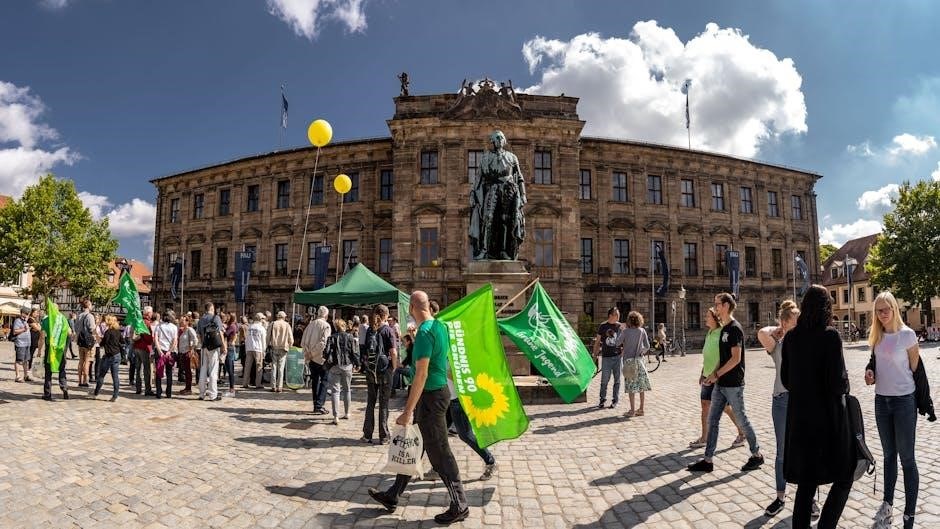
Throughout the 1970s and 80s, the guide evolved, incorporating feminist theory, environmental concerns, and critiques of capitalism. Distribution was largely through word-of-mouth and independent bookstores, fostering a sense of underground resistance. Before the digital age, the guide’s physical form—often photocopied and stapled—symbolized its grassroots origins and commitment to alternative information dissemination, shaping campus culture.

Content & Themes within the Disorientation Guide
The guide presents alternative viewpoints on campus life, critiques university governance, and emphasizes environmentalism, worker’s rights, and gender/sexuality studies.
Alternative Perspectives on Campus Life
The UCSC Disorientation Guide fundamentally challenges the officially presented narrative of campus life, offering students a critical lens through which to view their experiences. It moves beyond the polished recruitment materials and celebratory orientation events to expose underlying power dynamics and systemic inequalities. This alternative perspective isn’t simply about negativity; it’s about providing a more complete and nuanced understanding of the university environment.
The guide actively seeks to deconstruct idealized notions of the collegiate experience, prompting students to question the motivations behind university policies and the impact of those policies on various communities. It highlights issues often overlooked during traditional orientation, such as the experiences of marginalized students, the history of student activism at UCSC, and the ongoing struggles for social justice. By presenting these alternative viewpoints, the Disorientation Guide empowers students to become informed and engaged citizens, capable of critically analyzing and actively shaping their campus community.
Critique of University Governance
A central tenet of the UCSC Disorientation Guide is a robust critique of university governance structures. The guide doesn’t shy away from examining the decision-making processes within the university, often exposing a perceived lack of transparency and democratic participation. It questions the influence of administrative power and the prioritization of financial interests over student and community needs.
This critique extends to the composition of governing bodies, highlighting potential biases and a lack of representation for marginalized groups. The Disorientation Guide frequently analyzes university policies, revealing their potential impact on issues like tuition costs, housing affordability, and academic freedom. By dissecting these structures, the guide aims to empower students to challenge the status quo and advocate for more equitable and accountable university leadership, fostering a culture of active student activism and informed engagement with administrative decisions.
Focus on Environmental Activism
Environmental activism consistently forms a core component of the UCSC Disorientation Guide, reflecting the university’s location within a sensitive ecological region and the strong environmental consciousness of its student body. The guide often details local environmental concerns, such as threats to nearby forests, coastal ecosystems, and water resources, connecting these issues to broader global challenges like climate change.
It highlights campus-based environmental organizations and initiatives, providing students with avenues for involvement in conservation efforts, sustainable practices, and advocacy campaigns. The Disorientation Guide frequently critiques the university’s own environmental footprint, urging administrators to adopt more sustainable policies and reduce its impact. This focus aims to inspire a generation of environmentally responsible citizens and cultivate a vibrant culture of student activism dedicated to protecting the planet.
Worker’s Rights & Labor Issues
The UCSC Disorientation Guide consistently addresses worker’s rights and labor issues impacting the university community and beyond, demonstrating a commitment to social justice and economic equity. It often details the working conditions of university staff, including dining hall workers, custodians, and groundskeepers, highlighting concerns related to wages, benefits, and job security.
The guide frequently features information about relevant labor unions and worker advocacy groups, encouraging students to support their campaigns for fair treatment and improved working conditions. Critiques of the university’s contracting practices, particularly those involving outsourced labor, are common, advocating for responsible sourcing and ethical employment standards. This focus aims to foster solidarity between students and workers, promoting a more just and equitable campus environment through active student activism.
Gender & Sexuality Studies Representation
The UCSC Disorientation Guide provides significant representation for Gender & Sexuality Studies, reflecting the strong presence and activism within these fields at the university. It actively highlights resources and organizations supporting LGBTQ+ students, faculty, and staff, fostering an inclusive campus climate. The guide often critiques heteronormative structures and promotes intersectional approaches to understanding gender and sexuality.
Information about the Gender & Sexuality Alliance (GSA) and related groups is prominently featured, encouraging student involvement in advocacy and community building. Discussions around gender-neutral restrooms, inclusive policies, and challenging gender-based violence are common themes. This representation aims to empower marginalized voices and promote a more equitable and affirming environment for all members of the UCSC community through dedicated student activism.
Ohlone Studies & Indigenous Perspectives
A crucial component of the UCSC Disorientation Guide is its dedication to acknowledging and amplifying Ohlone perspectives, recognizing the ancestral lands upon which the university is built. The guide consistently emphasizes the importance of land acknowledgement and actively promotes Ohlone Studies as a vital field of academic inquiry. It serves as a platform for educating students about the history, culture, and ongoing struggles of the Ohlone people.
The guide often features information about local Ohlone organizations and events, encouraging students to engage in respectful and reciprocal relationships with Indigenous communities. Through student activism, it challenges the colonial foundations of the university and advocates for Indigenous sovereignty and self-determination, fostering a deeper understanding of the complex relationship between UCSC and its original inhabitants.

Key Organizations & Groups Featured
UCSC’s Disorientation Guide spotlights student-led groups, environmental organizations, labor unions, and the Gender & Sexuality Alliance, fueling campus activism.
Student-Led Activist Groups at UCSC
UCSC has a rich history of vibrant student-led activist groups, frequently highlighted within the Disorientation Guide as crucial agents of change on campus. These collectives often address a diverse range of issues, from advocating for workers’ rights and environmental sustainability to promoting gender and sexuality studies and supporting Ohlone studies and indigenous perspectives.
The Guide serves as a platform to amplify their voices and connect new students with opportunities for involvement. Groups like the Student Environmental Center and various social justice coalitions consistently mobilize students to participate in direct action, educational campaigns, and advocacy efforts. The Disorientation Guide frequently details their ongoing projects and provides contact information, fostering a network of engaged students committed to progressive change within the university and the broader community. These groups embody UCSC’s legacy of critical thinking and social responsibility.
Environmental Organizations on Campus
UCSC boasts a strong presence of environmental organizations, prominently featured within the Disorientation Guide due to the campus’s location and the region’s ecological significance. These groups actively engage in a variety of initiatives, including advocating for sustainable practices, promoting biodiversity conservation, and raising awareness about climate change. The Student Environmental Center consistently leads campaigns focused on reducing the university’s carbon footprint and promoting environmental justice;
The Disorientation Guide often details opportunities for students to participate in ecological restoration projects, volunteer with local conservation groups, and engage in direct action to protect sensitive ecosystems. Furthermore, it highlights organizations dedicated to permaculture, sustainable agriculture, and environmental education. These groups demonstrate a commitment to fostering a more sustainable and equitable future, aligning with UCSC’s values and the broader environmental movement.
Labor Unions & Worker Advocacy Groups
The UCSC Disorientation Guide consistently dedicates space to highlighting labor unions and worker advocacy groups, reflecting a long-standing commitment to workers’ rights within the campus community. This focus stems from recognizing the crucial role of staff and service workers in maintaining the university’s operations and providing essential services to students. The guide often details ongoing labor disputes, campaigns for fair wages, and efforts to improve working conditions.
Information regarding the American Federation of State, County and Municipal Employees (AFSCME) local representing UCSC workers is frequently included, alongside details about organizing efforts and opportunities for student solidarity. The Disorientation Guide emphasizes the interconnectedness between student and worker struggles, advocating for a more just and equitable campus environment for all. It serves as a resource for students seeking to support and amplify the voices of UCSC workers.
Gender & Sexuality Alliance (GSA) & Related Groups
The UCSC Disorientation Guide prominently features the Gender & Sexuality Alliance (GSA) and a network of related student organizations dedicated to LGBTQ+ advocacy and support. Recognizing the importance of creating an inclusive campus climate, the guide provides detailed information about the GSA’s activities, events, and resources available to students. It often includes listings for other groups focused on specific identities within the LGBTQ+ spectrum, such as groups for transgender and non-binary students.
Historically, the guide has served as a vital resource for queer and trans students navigating UCSC, offering a counter-narrative to mainstream campus perspectives. It highlights ongoing campaigns for gender-neutral restrooms, inclusive curriculum changes, and policies protecting LGBTQ+ rights. The Disorientation Guide champions intersectionality, acknowledging the overlapping oppressions faced by LGBTQ+ individuals and advocating for solidarity with other marginalized communities.

Impact & Significance of the Guide
The UCSC Disorientation Guide profoundly influences student perception, fostering critical thinking and promoting social justice awareness through alternative perspectives on campus life.
Influence on Student Orientation & Perception
The UCSC Disorientation Guide dramatically reshapes the initial campus experience for incoming students, presenting a stark contrast to the official orientation materials. It actively challenges the conventional narrative promoted by the university, offering instead a critical lens through which to view campus life, governance, and surrounding societal issues;
This alternative perspective fundamentally alters student perception, encouraging a questioning attitude towards established norms and power structures. Rather than passively accepting the university’s presented reality, students are prompted to engage in critical analysis and independent thought. The guide fosters a sense of awareness regarding social justice concerns, environmental issues, and worker’s rights, effectively broadening students’ understanding of the complexities inherent within the university system and beyond. It’s a catalyst for informed engagement and proactive participation in campus activism.
Fostering a Culture of Critical Thinking
The UCSC Disorientation Guide actively cultivates a campus-wide culture of critical thinking by deliberately challenging dominant narratives and encouraging students to question authority. It moves beyond simply presenting information, instead prompting readers to analyze the underlying assumptions and power dynamics that shape university policies and societal structures.
This emphasis on critical engagement extends beyond academic pursuits, influencing how students approach social and political issues. The guide equips them with the tools to deconstruct information, identify biases, and form independent judgments. By highlighting alternative perspectives on campus life – particularly concerning student activism, environmental concerns, and social justice – it fosters a climate of intellectual curiosity and informed debate. Ultimately, the guide empowers students to become active, engaged citizens capable of challenging the status quo.
Promoting Social Justice & Awareness
The UCSC Disorientation Guide serves as a vital tool for promoting social justice and raising awareness about critical issues impacting the campus community and beyond. It consistently spotlights marginalized voices and perspectives, particularly those of the Ohlone people, advocating for land acknowledgement and Indigenous studies. The guide also dedicates significant attention to worker’s rights and labor issues, aligning with a history of student activism focused on equitable treatment.
Furthermore, it provides a platform for discussions surrounding gender and sexuality, fostering inclusivity and challenging societal norms. By amplifying these often-overlooked narratives, the guide encourages empathy, understanding, and a commitment to dismantling systemic inequalities within the university and the wider world, inspiring action and advocacy.
The Guide as a Tool for New Student Integration
Beyond its critical lens, the UCSC Disorientation Guide functions as a unique integration tool for incoming students. It offers an alternative welcome, contrasting with the official orientation, by presenting a nuanced understanding of campus life and its socio-political landscape. The guide introduces new students to a network of student-led activist groups, environmental organizations, and advocacy groups, fostering immediate engagement.
This proactive approach encourages participation in meaningful change and provides a sense of belonging within a community committed to social justice. It empowers students to critically assess the university’s structures and actively contribute to a more equitable and inclusive environment, facilitating a smoother and more informed transition.

The Disorientation Guide in the Digital Age
The guide evolved from print to online platforms, maintaining relevance through digital activism and utilizing platforms like YouTube for broader reach.
Evolution of Distribution Methods (Print vs. Online)
Initially, the UCSC Disorientation Guide circulated primarily as a physical, printed document, relying on word-of-mouth and direct distribution to reach incoming students. This method fostered a sense of community and intentionality, as copies were often hand-delivered and discussed in small groups. However, this approach limited its reach and accessibility.
The advent of the internet and digital technologies dramatically altered the guide’s distribution. Transitioning to an online format—websites and later, shareable documents—allowed for wider dissemination, bypassing the limitations of physical copies. This shift coincided with the rise of campus activism utilizing digital platforms.
Online distribution enabled easier updates, corrections, and the inclusion of multimedia content. While the print version held a certain cultural weight, the digital format proved crucial for maintaining relevance and reaching a broader, more diverse student body, mirroring the evolving landscape of information sharing.
Maintaining Relevance in a Changing Campus Landscape
To remain impactful, the UCSC Disorientation Guide continually adapts to the evolving dynamics of the campus environment. Shifts in student demographics, administrative policies, and prevailing social justice concerns necessitate ongoing reassessment of its content and focus. The guide must actively address contemporary issues, ensuring it doesn’t become a relic of past struggles.
Maintaining relevance also requires engaging with current student activism trends. This involves incorporating perspectives from diverse activist groups and reflecting the latest strategies employed by students advocating for change. The guide serves as a bridge between historical context and present-day movements.
Furthermore, fostering collaboration with existing campus organizations and consistently soliciting feedback from the student body are vital for ensuring the guide remains a valuable resource and a true reflection of the student experience.
Use of Digital Platforms for Activism

The UCSC Disorientation Guide has strategically embraced digital platforms to amplify its reach and impact, mirroring the broader shift in student activism. Transitioning from print to online distribution broadened accessibility, allowing wider dissemination of critical campus information and alternative perspectives. Websites and social media channels now serve as central hubs for the guide’s content.
These platforms facilitate interactive engagement, enabling students to contribute, debate, and organize around key issues. Digital tools empower activists to mobilize quickly, share resources, and coordinate campaigns effectively. The guide leverages these capabilities to promote awareness and foster a culture of critical thinking.
Furthermore, digital spaces allow for multimedia content, including videos and podcasts, enriching the guide’s narrative and connecting with a broader audience beyond the traditional student body.

Contemporary Issues & Future Directions
UCSC activism currently focuses on diverse issues, facing challenges like digital engagement and maintaining relevance; the Disorientation Guide adapts for future impact.
Current Activism Trends at UCSC
UCSC currently witnesses a surge in activism centered around several key areas, reflecting evolving student concerns and broader societal shifts. Environmental justice remains a prominent focus, building upon the historical legacy highlighted within the Disorientation Guide. Students actively campaign for sustainable practices, advocating against fossil fuel investments and promoting ecological awareness across campus.
Alongside environmental concerns, issues of social and economic justice are gaining momentum. There’s increased organizing around affordable housing, food security, and accessible healthcare for all students. Labor rights continue to be a crucial component, with students supporting campus workers and advocating for fair wages and working conditions. The Disorientation Guide serves as a vital resource, connecting students with relevant organizations and providing historical context for these ongoing struggles.
Furthermore, contemporary activism at UCSC increasingly utilizes digital platforms for organizing, information dissemination, and advocacy, mirroring broader trends in social movements. This includes leveraging social media, online petitions, and virtual events to amplify student voices and mobilize support for various causes.
Challenges Facing Student Activism
Student activism at UCSC, despite its rich history documented in the Disorientation Guide, faces numerous challenges in the contemporary landscape. A primary obstacle is maintaining consistent engagement and momentum amidst the demands of academic life and external pressures. Burnout and attrition within activist groups are common concerns, requiring sustained efforts to foster inclusivity and shared leadership.
Furthermore, navigating university bureaucracy and securing administrative support for activist initiatives can be difficult. Restrictions on free speech, limitations on event spaces, and bureaucratic hurdles often impede organizing efforts. Financial constraints also pose a significant challenge, as many student groups rely on limited funding and volunteer contributions.
The increasing polarization of political discourse and the spread of misinformation present additional hurdles. Activists must effectively counter opposing narratives and build broad-based coalitions to achieve meaningful change. Despite these obstacles, the spirit of critical inquiry and social justice, central to the Disorientation Guide’s ethos, persists.
The Future of the Disorientation Guide
The UCSC Disorientation Guide’s future hinges on its ability to adapt to evolving campus dynamics and technological advancements. Maintaining relevance requires embracing digital platforms for wider distribution and interactive engagement, building upon the shift from print to online formats. Continued commitment to representing diverse voices – particularly those of the Ohlone people and marginalized communities – is crucial.
The Guide must also proactively address emerging issues, reflecting current student activism trends and challenges. Fostering collaboration with existing campus organizations and labor unions will strengthen its impact. Ensuring accessibility and inclusivity, both in content and distribution, remains paramount.
Ultimately, the Disorientation Guide’s enduring legacy depends on its capacity to inspire critical thinking, promote social justice, and empower new students to become active agents of change within the university and beyond.