Welcome, aspiring hunter! This comprehensive guide details the perilous, yet rewarding, world of monster hunting, offering vital knowledge for survival and success․
What is Monster Hunting?
Monster hunting, at its core, is the practice of tracking, engaging, and ultimately, neutralizing creatures deemed dangerous to civilized society․ These aren’t simply wild animals; we speak of beings imbued with unusual strength, magical abilities, or possessing inherently destructive natures․
It’s a profession – and sometimes a necessity – requiring a unique blend of skills․ Hunters must be adept trackers, capable combatants, knowledgeable in monster lore, and possess a strong constitution․ It demands courage, cunning, and a pragmatic approach to danger․
The definition extends beyond mere killing․ Sometimes, containment or driving a monster away is the desired outcome․ Understanding the specific threat is paramount, shaping the entire approach to the hunt․ It’s a dangerous life, but one filled with purpose․
Why Hunt Monsters? (Motivations & Rewards)
The motivations for taking up the hunter’s life are varied․ Some are driven by a desire to protect communities, acting as a shield against the unknown terrors lurking beyond settlements․ Others seek the thrill of the chase, the challenge of overcoming a formidable foe․
However, practical rewards also exist․ Monster parts are highly valuable, used in crafting powerful weapons, armor, and potions․ Rare components fetch exorbitant prices from alchemists and artisans․
Fame and recognition are also attainable․ Successful hunters often become local heroes, their deeds recounted in taverns and songs․ But perhaps the greatest reward is the knowledge that you’ve made the world a little safer, one monster at a time․
Preparing for the Hunt
Preparation is paramount! A successful hunt demands meticulous planning, proper equipment, and a thorough understanding of the dangers that lie ahead, hunter․
Essential Gear: Weapons & Armor
Choosing the right tools is crucial․ Weapons range from sturdy swords and reliable axes to powerful bows and specialized firearms – select based on your skill and the anticipated foe․ Armor provides vital protection; lighter armors offer agility, while heavier sets prioritize defense․
Consider materials: steel is common, but dragonhide or reinforced chitin offer superior resistance․ Don’t neglect maintenance! A dull blade or cracked armor is a liability․ Regularly sharpen, repair, and enchant your gear to maximize its effectiveness․
Finally, remember that gear isn’t everything․ Skillful use and tactical awareness are just as important as possessing the finest weaponry․ Adapt your loadout to each hunt!
Potions, Traps, and Tools – The Hunter’s Toolkit
Beyond weapons, a hunter relies on support items․ Potions are essential – healing, stamina restoration, and elemental resistance are vital․ Traps, like snare traps and shock traps, can immobilize monsters, creating openings for attack or escape․
Don’t underestimate tools! Lockpicks bypass obstacles, torches illuminate dark areas, and antidotes counteract poisons․ A good hunter carries a whetstone for on-the-go weapon sharpening and repair kits for armor․
Always carry a journal for notes and a map to mark locations․ Careful preparation and a well-stocked toolkit significantly increase your chances of success – and survival!
Understanding Monster Weaknesses
Exploiting weaknesses is paramount to efficient hunting․ Every monster possesses vulnerabilities – elemental weaknesses (fire, water, thunder, ice, dragon), physical vulnerabilities (head, wings, tail), or specific body parts susceptible to damage․
Research is key! Bestiaries and local lore detail these weaknesses․ Observe monster behavior during combat; repeated hits to a specific area might indicate a weak point․ Some monsters are susceptible to status effects like poison or paralysis․
Adapting your strategy based on the monster’s weaknesses dramatically shortens hunts and minimizes risk․ Ignoring these vulnerabilities leads to prolonged battles and potential defeat․

Monster Classification & Behavior
Categorizing creatures is crucial․ Monsters fall into distinct types – Beasts, Aberrations, and Elementals – each exhibiting unique behaviors and requiring tailored hunting approaches․
Beast Types: A Broad Overview
Beasts represent the most common monster category, typically exhibiting animalistic instincts and physical prowess․ These creatures range from relatively harmless herbivores to apex predators dominating their ecosystems․ Identifying a beast’s natural habitat and prey is paramount to understanding its behavior․
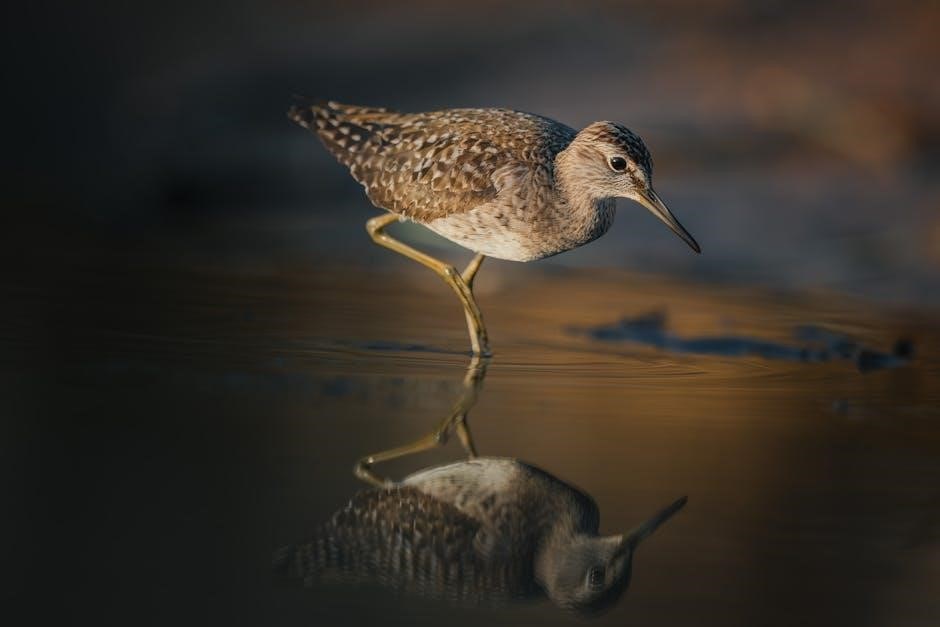
Common characteristics include heightened senses – smell, hearing, and sight – and reliance on brute force․ Many beasts operate within established territories, fiercely defending them against intruders․ Variations exist, such as scaled reptiles, furred mammals, and avian predators, each presenting unique challenges․
While generally predictable, beasts can become erratic when injured or protecting their young․ Studying their tracks and droppings provides valuable insight into their movements and dietary habits, aiding in a successful hunt․ Remember, respect a beast’s power!
Aberrations: The Unpredictable Ones
Aberrations defy easy categorization, representing monstrous deviations from natural life․ Often born from magical corruption or exposure to strange energies, they exhibit bizarre physical forms and unpredictable behaviors․ Unlike beasts, aberrations rarely follow logical patterns, making them exceptionally dangerous․
Expect the unexpected: aberrations may possess multiple limbs, shifting body shapes, or psychic abilities․ Their motivations are often inscrutable, driven by alien impulses rather than hunger or territoriality․ Conventional weaponry may prove ineffective against their warped physiology․
Researching local legends and folklore is crucial when facing aberrations, as these tales often hint at their weaknesses․ Approach with extreme caution, prioritize observation, and be prepared to adapt your strategy on the fly․ Survival hinges on recognizing their strangeness․
Elemental Monsters: Fire, Water, Earth, & Air
Elemental monsters embody the raw power of the natural world, manifesting as living embodiments of fire, water, earth, and air․ These creatures are intrinsically linked to their element, drawing strength from it and often being vulnerable to its opposite․
Fire elementals radiate intense heat and are susceptible to water and ice․ Water elementals thrive in aquatic environments and are weakened by electricity or drought․ Earth elementals possess immense physical strength and are vulnerable to piercing attacks․ Air elementals are swift and elusive, countered by grounding techniques․
Understanding an elemental monster’s source and vulnerabilities is paramount․ Exploiting these weaknesses, alongside appropriate protective gear, dramatically increases your chances of success․ Never underestimate their destructive potential!

Tracking & Locating Monsters
Successful hunts begin with diligent tracking․ Learn to decipher subtle clues left behind by these creatures, revealing their movements and habits․
Reading Tracks & Signs
The wilderness speaks to those who know how to listen․ Monster tracks aren’t simply footprints; they tell a story․ Consider the depth, size, and spacing – a hurried gait suggests panic, while a deliberate stride indicates confidence․
Beyond footprints, observe disturbed vegetation, broken branches, and claw marks on trees․ Scat analysis can reveal dietary habits and even approximate the creature’s age․ Pay attention to scent trails, though these are often masked by weather or other animals․
Look up as well! Aerial signs, like feathers or remnants of nests, can indicate the presence of flying monsters․ Remember, a single sign isn’t conclusive; look for patterns and corroborating evidence to build a reliable picture of the monster’s passage․
Utilizing Local Knowledge & Lore
Villages hold centuries of accumulated wisdom․ Before venturing into unfamiliar territory, always speak with the locals․ They possess invaluable insights into monster habits, migration patterns, and territorial boundaries – knowledge often absent from dusty tomes․
Listen to their tales, even the seemingly superstitious ones․ Old wives’ tales frequently contain kernels of truth, born from generations of observation․ Ask about local legends, rumored weaknesses, and past encounters․
However, be discerning․ Separate fact from folklore, and corroborate stories with multiple sources․ A seasoned hunter’s account carries more weight than a frightened villager’s hearsay․ Respect their culture and offer something in return for their assistance – information is a valuable trade․
Setting Up Ambushes & Observation Points
Patience is paramount when tracking elusive creatures․ Establishing well-concealed observation points allows for detailed study of monster behavior without alerting them to your presence․ Utilize natural cover – dense foliage, rocky outcrops, or elevated terrain – to remain hidden․
When planning an ambush, consider prevailing winds to avoid scent detection․ Prepare multiple escape routes and ensure a clear line of fire․ Simple tripwires can provide early warning, but avoid overly complex setups that might malfunction․
Remember, an ambush isn’t always about immediate attack; it’s about gaining a tactical advantage․ Observe, analyze, and strike when the monster is most vulnerable․

The Hunt Itself: Tactics & Techniques
Now for action! Successful hunts demand adaptability, precise timing, and a keen understanding of your quarry’s patterns and vulnerabilities during conflict․
Engaging the Monster: Initial Approach
The first moments are critical․ Avoid direct, head-on charges; subtlety is your ally․ Utilize terrain – shadows, foliage, elevation – to mask your presence and observe the monster’s routines․
Assess its current activity: is it feeding, resting, or patrolling? A distracted monster is a vulnerable monster․ Consider a ranged opening to gauge its reactions and test its defenses․
However, be prepared for immediate retaliation! A well-placed, non-lethal shot can reveal weaknesses or trigger predictable behaviors․ Remember to maintain situational awareness; escape routes are as important as attack angles․ Don’t underestimate the power of a calculated retreat if the initial engagement proves unfavorable․
Combat Strategies: Exploiting Weaknesses
Knowledge is power in battle․ Once identified, relentlessly target a monster’s vulnerabilities․ For armored beasts, focus on joints and underbelly; for flying creatures, aim for wings or legs․
Elemental weaknesses are paramount – fire against ice, water against fire, and so on․ Utilize appropriate weapons and potions to maximize damage․ Observe attack patterns; anticipate openings and exploit recovery times․
Don’t be afraid to switch tactics mid-fight․ A monster adapting to your strategy demands a counter-response․ Remember, consistent, focused attacks on weak points yield far greater results than brute force․ Prioritize survival, and capitalize on every mistake the monster makes!
Managing Stamina & Resources During Battle
Prolonged hunts demand careful resource management․ Stamina governs attacks, dodges, and blocks – avoid exhaustion! Pace yourself, utilizing lighter attacks to conserve energy during lulls․ Potions are lifesavers, but limited; use them strategically, not reactively․
Monitor your weapon’s durability․ A broken blade mid-fight is a death sentence․ Carry repair kits or spare weapons․ Ammunition is equally crucial; conserve special rounds for critical moments․
Be mindful of your surroundings․ Utilize terrain for cover and to regain stamina․ A well-timed retreat to replenish resources can be the difference between victory and defeat․ Prioritize efficiency and avoid unnecessary risks․
Post-Hunt Procedures & Safety
The hunt’s end isn’t relaxation! Secure the area, meticulously harvest materials, and promptly report findings to prevent further incidents and ensure safety․
Harvesting Monster Parts & Materials
Careful harvesting is crucial! Monster parts aren’t simply “taken”; proper techniques preserve their potency․ Begin with a swift, clean incision to avoid contamination․ Different parts require specific tools – a bone saw for skeletal remains, a specialized skinning knife for hides, and alchemical containers for organs and fluids․
Always prioritize safety; even deceased monsters can possess lingering energy or toxins․ Wear protective gloves and masks․ Categorize materials immediately – scales, claws, fangs, venom sacs, and internal organs all have unique uses․ Document each harvest meticulously, noting the monster’s type, location, and the date․ Proper preservation, like salting hides or pickling organs, extends their shelf life and value․ Remember, quality harvesting yields superior results!
Reporting & Documentation
Thorough records are paramount! Accurate reporting benefits all hunters and safeguards communities․ Immediately after a hunt, submit a detailed report to the local Hunter’s Guild or relevant authority․ Include the monster’s species, size, location of the encounter, and a comprehensive description of its behavior․
Detailed documentation of harvested materials is also essential – quantity, quality, and any unusual properties․ Sketches or rubbings of unique markings can be invaluable․ Maintaining a personal hunting journal is highly recommended; record your strategies, successes, and failures․ This collective knowledge base improves future hunts and aids in understanding monster migration patterns․ Remember, responsible hunters share their findings!
Dealing with Injuries & Aftermath
Monster hunts are rarely without cost․ Prioritize immediate first aid for any wounds sustained – even seemingly minor ones․ Cleanse injuries thoroughly to prevent infection, utilizing antiseptic potions or salves․ Seek professional medical attention from a healer or apothecary as soon as possible;
Beyond physical wounds, acknowledge the psychological toll․ Monster hunting can be traumatic; don’t hesitate to discuss your experiences with trusted companions or Guild counselors․ Proper rest and recuperation are vital․ Ensure your gear is repaired or replaced, and thoroughly disinfect all equipment to eliminate lingering monster residue․ A careful post-hunt assessment minimizes future risks․

Advanced Hunting Techniques
For seasoned hunters, mastering teamwork, tackling rare beasts, and upholding ethical standards elevates skill and ensures responsible monster management practices․
Teamwork & Coordination
Successful hunts often demand collaboration․ A well-coordinated team multiplies effectiveness, mitigating individual weaknesses and capitalizing on combined strengths․ Assign roles – a tank to draw aggression, damage dealers focusing on vulnerabilities, and a support member providing healing and buffs․
Communication is paramount; utilize clear signals or a designated communicator to relay monster positions, attack patterns, and critical status updates․ Practice synchronized attacks to maximize damage output and exploit openings․
Furthermore, understand each teammate’s capabilities and limitations․ Cover each other’s flanks, share resources strategically, and prioritize collective safety above individual glory․ Remember, a cohesive unit consistently outperforms lone hunters, especially against formidable foes․
Rare Monster Encounters & Challenges
Legends speak of creatures beyond the common bestiary․ These rare monsters present unique challenges, demanding exceptional preparation and adaptability․ Expect unpredictable behaviors, potent abilities, and resistances to conventional tactics․
Often, these encounters are triggered by specific conditions – lunar phases, geographical locations, or completion of intricate quests․ Information is scarce; rely on fragmented lore and the experiences of veteran hunters․
Prepare specialized equipment and potions tailored to counter their unique strengths․ Teamwork is crucial, requiring flawless coordination and rapid response to evolving threats․ Victory against these beasts isn’t merely about power, but ingenuity and unwavering resolve․
Ethical Considerations in Monster Hunting
The life of a hunter demands more than skill with a blade․ Consider the impact of your actions on the ecosystem and the potential sentience of certain creatures․ Is every hunt truly necessary, or driven by greed or glory?
Some monsters play vital roles in maintaining natural balance; their removal can have unforeseen consequences․ Prioritize hunts that protect settlements or address genuine threats․ Avoid needless slaughter and respect the inherent value of all life, even monstrous ones․

Responsible harvesting of monster parts is paramount․ Never take more than needed, and always strive to minimize suffering․ Remember, a hunter’s reputation isn’t built solely on trophies, but on integrity and compassion․