Understanding Knife Sharpening Angles
The angle at which a knife blade is sharpened directly impacts its performance and sharpness‚ crucial for tasks ranging from kitchen work to outdoor adventures.
Why Knife Angle Matters
The knife’s sharpening angle is paramount to its functionality and longevity; a correct angle ensures efficient cutting and prolonged edge retention. A dull blade‚ often resulting from an incorrect angle‚ presents a safety hazard‚ requiring more force and increasing the risk of slipping during use.
Choosing the right angle isn’t arbitrary. It’s dictated by the knife’s intended purpose. A smaller angle creates a sharper‚ more delicate edge‚ ideal for precision tasks‚ while a larger angle forms a more robust‚ durable edge suited for tougher materials. Understanding this relationship is key to maintaining optimal knife performance‚ whether you’re preparing meals or navigating the wilderness.
The Relationship Between Angle and Edge Retention
A smaller sharpening angle creates a thinner‚ sharper edge‚ maximizing cutting efficiency but sacrificing edge retention. This is because less steel supports the edge‚ making it more prone to rolling or chipping with heavy use. Conversely‚ a larger angle results in a thicker‚ more durable edge.
While not as acutely sharp‚ this thicker edge resists deformation and maintains its sharpness for a longer period‚ ideal for demanding tasks. Therefore‚ the optimal angle represents a balance between sharpness and durability‚ tailored to the specific knife and its intended application. Consistent sharpening at the chosen angle is crucial for predictable performance.
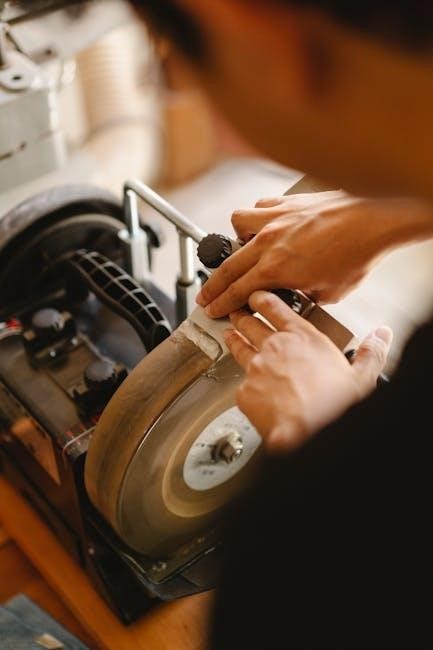
Common Knife Angles and Their Uses
Different knife applications benefit from varying edge angles; specialized tasks require acute angles‚ while robust outdoor knives demand more durable‚ obtuse angles.
15-Degree Angle: For Specialized Tasks
A 15-degree angle represents an exceptionally acute edge‚ primarily suited for highly specialized cutting applications where finesse and minimal resistance are paramount. These knives aren’t designed for heavy work; instead‚ they excel at tasks like slicing incredibly delicate items – think sashimi‚ prosciutto‚ or perfectly ripe tomatoes. Maintaining this edge requires significant skill and frequent sharpening‚ as it’s relatively fragile.
Because of the delicate nature of a 15-degree edge‚ it’s not ideal for general kitchen use or outdoor activities where the blade might encounter harder materials. The thin edge is prone to chipping or rolling with even moderate pressure. Sharpening guides are particularly helpful for consistently achieving and maintaining this precise angle‚ especially for those less experienced with freehand sharpening techniques.
20-Degree Angle: For High-Performance Kitchen Knives
The 20-degree angle strikes a superb balance between sharpness and durability‚ making it a popular choice for many high-performance kitchen knives. This angle provides a noticeably sharper edge than steeper angles‚ allowing for clean‚ effortless cuts through a wide variety of ingredients. It’s versatile enough for slicing‚ dicing‚ and chopping‚ handling most kitchen tasks with ease.
While requiring more frequent sharpening than a 25-degree edge‚ a 20-degree angle doesn’t demand the same level of meticulous care as a 15-degree one. Using a sharpening angle guide ensures consistent results‚ particularly for cooks aiming for professional-level sharpness. This angle is a sweet spot for achieving excellent cutting performance without sacrificing too much edge retention.
25-Degree Angle: For General Purpose and Outdoor Knives
A 25-degree angle represents a fantastic all-around choice‚ offering a robust edge suitable for both general kitchen use and demanding outdoor applications. This angle provides excellent durability‚ meaning the edge will hold up better to tougher tasks and require less frequent sharpening compared to lower angles.
Outdoor enthusiasts often favor this angle for hunting‚ camping‚ and hiking knives‚ as it can withstand more abuse. For everyday kitchen knives‚ it’s a reliable option for those who don’t want to constantly maintain a super-sharp edge. Utilizing a knife sharpening angle guide is highly recommended to consistently achieve and maintain this versatile 25-degree profile‚ ensuring optimal performance.
30-35 Degree Angle: For Heavy-Duty and Rough Use Knives
Knives designed for heavy-duty tasks‚ like chopping‚ batoning wood‚ or rescue operations‚ benefit significantly from a 30 to 35-degree edge angle. This steeper angle prioritizes edge strength and durability over extreme sharpness. While not as refined for delicate slicing‚ it excels at resisting rolling and chipping when subjected to significant force.
Employing a knife sharpening angle guide is particularly crucial here‚ as maintaining consistency at this wider angle can be challenging freehand. A robust edge is paramount for safety and functionality in demanding situations. These knives are often carried when a dull blade presents a greater risk than a slightly less refined edge.
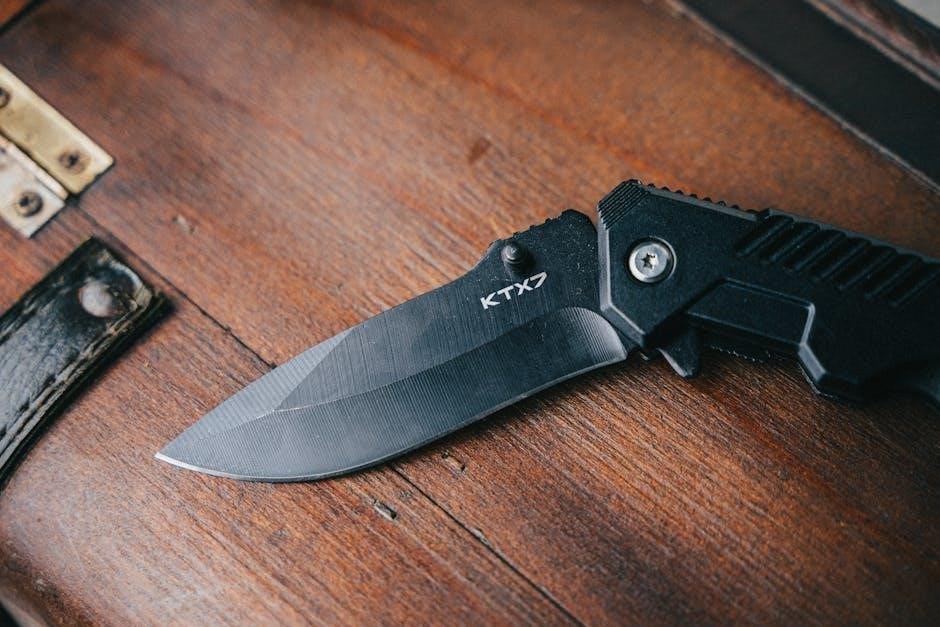
Types of Knife Angle Guides
Various guides assist in maintaining consistent sharpening angles‚ including magnetic‚ clip-on‚ and freehand options utilizing markers or tape for visual alignment.
Magnetic Angle Guides
Magnetic angle guides are popular for their simplicity and versatility‚ attaching directly to the knife blade during sharpening. These guides typically consist of a small‚ powerful magnet coupled with a precisely angled surface. The magnet securely holds the guide in place‚ ensuring a consistent angle against the sharpening stone.
They are generally adjustable‚ allowing users to select the desired angle for different knife types and applications. Magnetic guides work well with both manual and powered sharpening systems. A key benefit is their ability to adapt to various blade shapes and sizes. However‚ some users find that stronger magnets are needed for thicker blades to prevent slippage during the sharpening process.
Proper placement and a firm hand are still essential for optimal results.
Clip-On Angle Guides
Clip-on angle guides offer a secure and stable method for maintaining a consistent sharpening angle. These guides typically feature a clip that attaches to the knife’s spine‚ providing a rigid reference point against the sharpening stone. They are often preferred by beginners due to their ease of use and reliable performance.
Many clip-on guides are pre-set to specific angles‚ simplifying the sharpening process. Others offer adjustability‚ catering to a wider range of knife types. The clip’s design ensures it remains firmly in place‚ minimizing slippage during sharpening. However‚ some models may not accommodate all blade shapes or thicknesses effectively.
Ensure a snug fit to prevent movement and achieve optimal sharpening results.
Freehand Angle Guides (Using Markers/Tape)
For experienced sharpeners‚ freehand methods utilizing markers or tape provide a cost-effective and adaptable approach to angle control. This technique involves applying a permanent marker or a strip of tape to the blade’s bevel. As you sharpen‚ the stone removes the marker/tape‚ visually indicating when you’ve reached the desired angle.
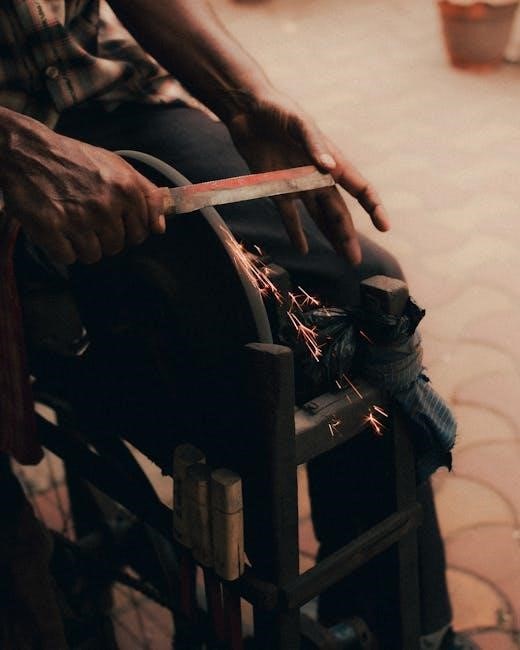
Consistent practice is key to mastering this method‚ as it relies heavily on muscle memory and visual feedback. It allows for customization to unique blade geometries‚ unlike fixed-angle guides. However‚ achieving consistent results requires significant skill and a steady hand.
Regularly check your progress and adjust your technique for optimal sharpness.
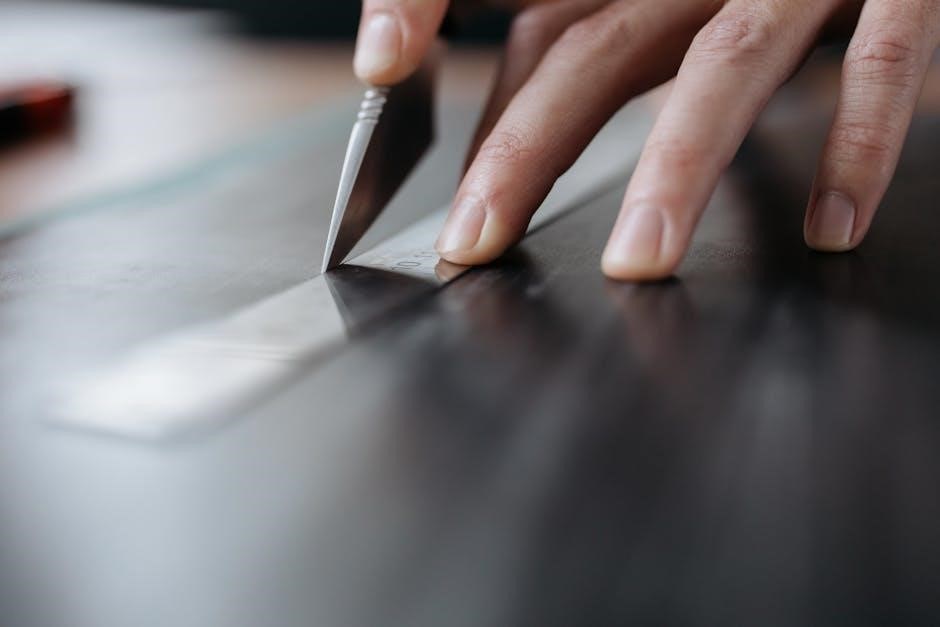
Using a Knife Sharpening Angle Guide: A Step-by-Step Approach
Effectively utilizing an angle guide involves careful preparation‚ secure attachment‚ consistent pressure‚ and maintaining the correct angle throughout the sharpening process.
Preparing Your Knife and Sharpening Stone
Before commencing the sharpening process‚ ensure your knife is thoroughly cleaned to remove any food residue or debris that could interfere with a clean edge. Inspect the blade for any chips or significant damage; address these before focusing on sharpening.

Next‚ select the appropriate sharpening stone – whether it’s a water stone‚ oil stone‚ or diamond stone – based on your knife’s steel and desired sharpness.
For water stones‚ soak it in water for the recommended duration until fully saturated. Oil stones require a light application of honing oil. A stable‚ non-slip surface is vital for both the stone and the knife during sharpening‚ preventing accidents and ensuring consistent results. Proper preparation is key to achieving a razor-sharp edge.
Attaching and Adjusting the Angle Guide
Securely attach the chosen angle guide to the spine of your knife blade‚ ensuring it’s firmly in place to maintain a consistent sharpening angle throughout the process. Different guides – magnetic‚ clip-on‚ or those utilizing markers – will have specific attachment methods.
Carefully adjust the guide to the desired angle‚ referencing the recommended angle for your knife type (15‚ 20‚ 25‚ or 30-35 degrees).
Double-check the alignment to confirm the angle is accurate and stable before beginning to sharpen. A properly adjusted guide is crucial for achieving a uniform edge and preventing uneven wear on the blade. Take your time with this step for optimal results.
Maintaining Consistent Pressure and Angle
While sharpening‚ apply moderate and even pressure as you draw the blade across the sharpening stone‚ consistently maintaining the angle set by the guide. Avoid excessive force‚ which can damage the blade or the guide itself.
Focus on keeping the spine of the knife in contact with the guide throughout each stroke. Slow‚ controlled movements are preferable to rapid‚ forceful ones.
Regularly check the angle during sharpening to ensure it hasn’t shifted. Consistent pressure and angle are paramount for achieving a sharp‚ uniform edge along the entire blade length. Patience yields the best results!
Choosing the Right Angle Guide for Your Needs
Selecting the ideal angle guide depends on your knife type‚ sharpening skill level‚ and desired precision for optimal edge quality and ease of use.
Factors to Consider: Knife Type and Sharpening Experience
When selecting a knife sharpening angle guide‚ carefully assess your knife’s intended purpose and your personal sharpening proficiency. Different knives necessitate varying angles; for instance‚ delicate kitchen knives benefit from lower angles (15-20 degrees)‚ while robust outdoor knives require steeper ones (25-30 degrees).
Beginners often find magnetic or clip-on guides simpler to use‚ providing a stable reference point. Experienced sharpeners might prefer freehand methods‚ utilizing markers or tape for visual alignment‚ offering greater control. Consider the guide’s adjustability – a versatile guide accommodates diverse blade geometries. Prioritize a guide that feels comfortable and secure in your hand‚ promoting consistent pressure and angle throughout the sharpening process. Ultimately‚ the best guide is one that empowers you to achieve a consistently sharp and functional edge.
Popular Angle Guide Brands and Models
Several reputable brands offer high-quality knife sharpening angle guides‚ catering to diverse needs and budgets. Lansky Deluxe Sharpening System consistently receives praise for its precision and versatility‚ accommodating various blade sizes and angles. Wicked Edge offers a premium‚ guided sharpening solution known for its exceptional accuracy and consistent results‚ albeit at a higher price point.
For budget-conscious users‚ DMT offers reliable clip-on guides that provide a stable reference. Spyderco’s Sharpmaker system‚ while not strictly an angle guide‚ includes angled abrasives that facilitate consistent sharpening. Researching user reviews and comparing features is crucial to identify a model aligning with your skill level and sharpening requirements. Consider factors like adjustability‚ build quality‚ and ease of use when making your selection.

Troubleshooting Common Issues
Slipping guides and inconsistent sharpness are frequent challenges; ensure secure attachment and maintain steady pressure throughout the sharpening process for optimal results.
Guide Slipping or Moving During Sharpening
A common frustration when using a knife sharpening angle guide is its tendency to slip or shift during the process. This often stems from inadequate clamping force or an improperly adjusted guide for the specific knife blade geometry. Before beginning‚ meticulously ensure the guide is firmly secured to the blade‚ checking for any wobble or looseness.
Consider applying a small piece of non-abrasive tape to the blade’s spine to enhance grip. Furthermore‚ maintaining consistent downward pressure while sharpening is vital; erratic force can contribute to guide movement. If using a magnetic guide‚ verify the surfaces are clean and free of oil or debris‚ as this can reduce magnetic adhesion. Regularly re-check the guide’s position throughout the sharpening session to proactively address any slippage.
Achieving Consistent Sharpness Across the Blade
Maintaining uniform sharpness along the entire blade length requires meticulous technique when utilizing a knife sharpening angle guide. Consistent pressure application is paramount; avoid varying force as you move along the blade‚ as this leads to uneven sharpening.
Employ a full‚ sweeping motion‚ ensuring each section of the blade receives an equal number of strokes. Regularly assess your progress by gently testing the sharpness at different points along the edge. Pay close attention to the heel and tip‚ as these areas often require extra attention. Slow‚ deliberate movements are preferable to rapid‚ forceful ones‚ promoting control and consistency. A quality guide‚ combined with focused effort‚ yields a uniformly sharp blade.
Safety Precautions When Using Angle Guides
Prioritize hand and finger protection during sharpening‚ alongside proper maintenance of both the sharpening stone and the angle guide itself for safe use.
Protecting Your Hands and Fingers
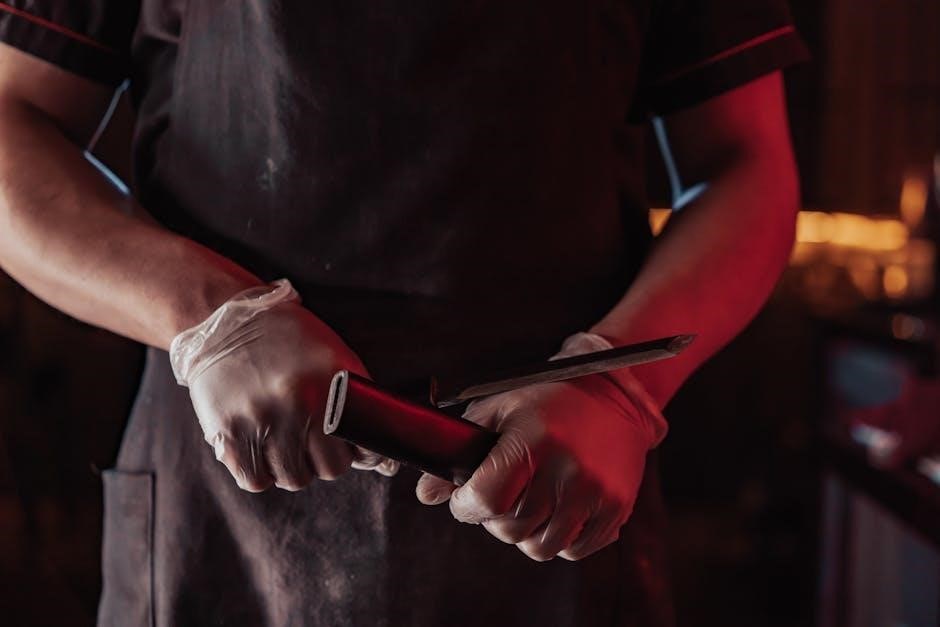
Sharpening knives‚ even with guides‚ inherently carries risk. Always maintain a firm‚ controlled grip on both the knife handle and the sharpening guide to prevent slippage. Consider wearing cut-resistant gloves on your guiding hand; these provide an extra layer of protection against accidental contact with the blade.
Focus intently on the sharpening process‚ avoiding distractions. Never attempt to rush the process‚ as speed increases the likelihood of errors. Keep your fingers well clear of the blade’s path‚ and be mindful of the guide’s stability. A secure setup minimizes the chance of unexpected movements that could lead to injury.
Regularly inspect the guide for any damage or looseness‚ as a faulty guide compromises safety.
Proper Stone and Guide Maintenance
Maintaining both your sharpening stone and angle guide is vital for optimal performance and longevity. After each use‚ thoroughly clean your sharpening stone to remove metal filings‚ preventing them from contaminating future sharpening sessions. For water stones‚ ensure they are fully saturated before and during use;
Regularly inspect your angle guide for any signs of wear‚ damage‚ or loosening screws. Tighten any loose components and replace worn parts promptly. Store both the stone and guide in a dry‚ clean environment to prevent rust or corrosion.
A well-maintained setup ensures consistent sharpening results and extends the lifespan of your tools.