Auto Mechanic Labor Rate Guide: An In-Depth Overview (Updated December 25, 2025)
Maintaining vehicle health necessitates understanding repair costs, including labor; accurate blood tests, like CBCs, aid overall health assessments, while
menopause impacts women around age 51.
Water intake is crucial for bodily functions, A1C tests reveal average blood sugar levels, and
dwarfism often faces misconceptions, impacting self-esteem and daily life.
Blood pressure diagnosis relies on multiple readings, accurate measurements are vital, and
understanding these health factors parallels comprehending auto repair expenses for optimal well-being.
I. Understanding Auto Mechanic Labor Rates
Auto mechanic labor rates represent the cost of a technician’s time and expertise when diagnosing and repairing a vehicle. These rates are a significant component of the total repair bill, often exceeding the cost of parts themselves. Understanding how these rates are determined is crucial for vehicle owners seeking transparent and fair service.
Several factors contribute to the establishment of labor rates. Technician skill level, certifications (like ASE), and experience all play a role. Shops also factor in overhead costs – rent, utilities, insurance, and equipment – when setting their prices. Diagnostic fees, while sometimes separate, are essentially a specialized form of labor, covering the time spent identifying the root cause of a problem.
Labor is typically billed in one of two ways: flat rate or hourly. Flat rate assigns a predetermined time to each repair task, regardless of how long it actually takes. Hourly rates charge for the actual time spent working on the vehicle. Accurate assessments, like complete blood counts (CBCs), are vital for health, just as understanding billing practices is vital for auto repair transparency.
II. Factors Influencing Labor Rates
Numerous elements converge to shape auto mechanic labor rates, extending beyond simple time and expertise. Geographic location is paramount; metropolitan areas generally command higher rates than rural regions due to increased operating costs and demand. Vehicle complexity also significantly impacts pricing – luxury vehicles and those with advanced technology require specialized training and equipment, justifying higher labor charges.
The type of repair shop itself is a key determinant. Dealerships typically have higher rates than independent shops, reflecting their brand affiliation and specialized certifications. Technician certifications, like ASE accreditation, demonstrate competence and often correlate with increased rates. Overhead expenses – rent, utilities, and diagnostic tools – are factored into the final cost.
Parts costs and supply chain issues, mirroring rising healthcare costs, also influence labor rates. Just as menopause affects women around age 51, external factors impact auto repair pricing. Accurate diagnosis, like an A1C test for blood sugar, is crucial, adding to the labor component.
III. Average Labor Rates by Location
Auto mechanic labor rates exhibit substantial geographic variation across the United States. Generally, the national average hovers around $100 to $150 per hour, but this figure is a broad generalization. Coastal states, particularly in the Northeast and California, typically report rates exceeding $175 per hour due to higher living costs and demand.
The Midwest and Southern states generally offer more competitive rates, often ranging from $80 to $120 per hour. Metropolitan areas within these regions, however, can approach or surpass coastal pricing. Rural locations consistently demonstrate the lowest rates, sometimes falling below $80 per hour, reflecting lower overhead and competition.

Accurate blood pressure readings require multiple visits, mirroring the need to compare rates across locations. Just as understanding A1C levels is vital for health, researching local rates is crucial for vehicle maintenance. These variations necessitate obtaining multiple quotes to ensure fair pricing.

A. Regional Variations in Pricing
Significant discrepancies in auto mechanic labor rates exist across different U.S. regions. The Northeast and Pacific Coast consistently command higher prices, often exceeding $180 per hour, driven by elevated living expenses and specialized skill demands. These areas frequently see premium charges for complex repairs and import vehicles.
The Southeast and Southwest present a more moderate cost landscape, typically ranging from $100 to $150 per hour. The Midwest generally offers the most affordable rates, frequently falling between $80 and $120, though larger cities within the region can deviate from this trend.
Just as menopause affects women around age 51, regional economies impact labor costs. Factors like local competition, shop overhead, and technician expertise contribute to these variations. Obtaining quotes from multiple shops within a region is essential for securing competitive pricing.
B. Metropolitan vs. Rural Rates
A clear distinction exists between auto mechanic labor rates in metropolitan and rural areas. Urban centers, mirroring the higher costs of living, typically exhibit rates ranging from $150 to $200+ per hour. This reflects increased overhead, higher demand for skilled technicians, and specialized equipment investments.
Rural areas generally offer more competitive pricing, with rates often falling between $80 and $130 per hour. Lower operating costs and reduced competition contribute to these savings. However, access to specialized expertise or parts may be limited, potentially increasing turnaround times.
Similar to the importance of accurate blood pressure readings, precise cost comparison is crucial. While rural rates are often lower, consider the potential for additional travel expenses or the need for specialized services unavailable locally. Thorough research is key to finding the best value.

IV; Labor Rate Differences by Vehicle Type
Vehicle type significantly impacts auto mechanic labor rates, mirroring the complexity of repairs and specialized training required. Domestic vehicles, generally, command lower labor costs – typically ranging from $80 to $150 per hour – due to readily available parts and widespread technician familiarity.
Import vehicles, particularly European models, often incur higher rates, frequently between $120 and $200+ per hour. This stems from intricate engineering, specialized diagnostic tools, and the need for technicians with specific import certifications.
Luxury vehicles represent the highest labor costs, potentially exceeding $200 per hour. These vehicles demand highly skilled technicians, advanced diagnostic equipment, and often, proprietary repair procedures. Like monitoring A1C levels for health, understanding these rate variations is vital for budgeting repair expenses.
A. Domestic vs. Import Vehicles
A clear distinction exists in labor rates between domestic and import vehicle repairs. Domestic vehicles, manufactured within the country, generally benefit from lower labor costs, typically ranging from $80 to $150 per hour. This affordability arises from the widespread availability of parts, a larger pool of technicians familiar with the systems, and simpler repair procedures in many cases.
Import vehicles, conversely, often command higher labor rates, frequently between $120 and $200+ per hour. The increased complexity of their engineering, coupled with the need for specialized diagnostic tools and training, drives up costs. Technicians require specific certifications to work on these vehicles effectively.
Similar to monitoring health indicators like blood pressure, understanding this difference is crucial for budgeting. Just as A1C tests reveal long-term blood sugar levels, recognizing these rate variations ensures transparent repair costs.
B. Luxury Vehicle Repair Costs
Luxury vehicles consistently present the highest labor rates in the automotive repair landscape. Expect to encounter hourly charges ranging from $180 to $350 or even higher, depending on the brand and complexity of the repair. This premium pricing reflects several factors, including the advanced technology integrated into these vehicles, the necessity for specialized diagnostic equipment, and the intensive training required for technicians.
Parts availability can also contribute to increased costs, as components are often sourced directly from the manufacturer and may have longer lead times. Similar to the comprehensive assessment provided by a complete blood count (CBC), luxury vehicle repairs demand meticulous attention to detail.
Just as understanding menopause impacts health management, acknowledging these elevated costs is vital for luxury vehicle owners. Proactive maintenance and a skilled mechanic are essential for mitigating expenses.
V. Types of Mechanic Shops and Their Rates
The automotive repair market offers diverse options, each with distinct pricing structures. Dealerships generally command the highest labor rates, often ranging from $120 to $200+ per hour, reflecting specialized expertise and genuine parts. Independent repair shops present a more affordable alternative, typically charging between $80 and $150 per hour, offering competitive pricing and personalized service.

Mobile mechanics provide convenience at a varying cost, usually between $100 and $180 per hour, with potential travel fees. Like monitoring blood pressure for accurate health assessment, comparing rates is crucial.
Choosing the right shop depends on your vehicle’s needs and budget. Just as understanding A1C levels informs diabetes management, knowing shop rates empowers informed decisions. Consider factors beyond price, including reputation and technician qualifications.
A. Dealership Labor Rates
Dealership service centers typically exhibit the highest labor rates in the automotive repair landscape, frequently ranging from $120 to upwards of $200 per hour. This premium pricing reflects several factors, including specialized training for specific vehicle makes, access to proprietary diagnostic tools, and the utilization of Original Equipment Manufacturer (OEM) parts;
Dealerships often employ certified technicians who undergo continuous training to stay abreast of the latest automotive technologies. Similar to the importance of regular complete blood counts (CBCs) for health monitoring, dealerships prioritize maintaining a high standard of service.
While expensive, dealership repairs often come with extended warranties on parts and labor, offering peace of mind. However, it’s crucial to compare quotes and assess whether the added cost justifies the benefits, especially considering alternatives like independent shops.
B. Independent Repair Shop Rates
Independent repair shops generally offer more competitive labor rates compared to dealerships, typically falling between $80 and $150 per hour. This affordability stems from lower overhead costs and a broader range of technician experience across various vehicle makes and models. Just as understanding A1C levels provides a long-term health perspective, independent shops offer a cost-effective repair solution.
The quality of service can vary significantly among independent shops, emphasizing the importance of thorough research and customer reviews. Many employ ASE-certified technicians, ensuring a baseline level of competence.
While OEM parts may be available, independent shops often utilize aftermarket parts, which can further reduce costs. However, it’s essential to inquire about the quality and warranty of these parts to ensure long-term reliability, mirroring the need for accurate blood pressure readings.
C. Mobile Mechanic Rates
Mobile mechanic rates present a unique pricing structure, generally ranging from $100 to $200 per hour, often with a minimum service fee. This premium reflects the convenience of on-site repairs, eliminating the need for towing and shop visits. Similar to how maintaining adequate hydration supports bodily functions, mobile mechanics bring the service directly to you.
The scope of work a mobile mechanic can perform is limited by space and equipment availability; complex repairs may still require a traditional shop. Many specialize in routine maintenance, such as oil changes, brake repairs, and battery replacements.
Transparency in pricing is crucial, as travel fees and diagnostic charges can add to the overall cost. Verify the mechanic’s qualifications and insurance before engaging their services, akin to ensuring accurate A1C test results for health monitoring.
VI. Common Billing Practices
Auto repair billing commonly employs two primary methods: flat rate and hourly rates. Flat rates, akin to a pre-determined fee for a specific service, are based on the average time to complete a task, regardless of the actual time spent. Hourly rates, conversely, charge for the mechanic’s time, typically in increments of tenths of an hour.
Diagnostic fees are also prevalent, covering the time and expertise required to identify the root cause of a vehicle issue. Just as a complete blood count (CBC) assesses overall health, diagnostics pinpoint the problem. These fees can be applied towards the final repair cost if work proceeds.
Always request a written estimate detailing labor, parts, and any additional fees before authorizing repairs. Understanding these practices empowers you to navigate the billing process effectively and avoid unexpected charges, mirroring the importance of accurate blood pressure readings.
A. Flat Rate vs. Hourly Rates
The core difference lies in how time is valued. Flat rate billing, a common practice, assigns a fixed labor cost to each repair task, based on industry standards and average completion times. Similar to an A1C test providing an average blood sugar level, flat rates offer price predictability.
Hourly rates, however, directly charge for the mechanic’s time, typically billed in tenths of an hour. This method is often preferred for complex or unusual repairs where the time required is uncertain. Transparency is key; a detailed invoice should always itemize labor hours and the corresponding rate.
Consider the repair type. Routine maintenance often suits flat rates, while diagnostics or extensive engine work may benefit from hourly billing. Understanding these distinctions – much like recognizing menopause symptoms – allows for informed decisions and fair pricing.
B. Understanding Diagnostic Fees
Diagnostic fees cover the time and expertise required to pinpoint the root cause of a vehicle’s issue. Like a complete blood count (CBC) identifying health concerns, diagnostics utilize specialized tools and a mechanic’s skill.
These fees aren’t simply for “guessing.” They encompass systematic testing, computer scans, and a thorough inspection. Expect a detailed explanation of what the diagnostic process entails and the associated cost before authorizing the work.
Some shops may apply the diagnostic fee towards the final repair cost if you proceed with the service, while others treat it as a separate charge. Clarify this policy upfront. Just as accurate blood pressure readings are crucial, transparent diagnostic billing builds trust and avoids surprises.
VII. How to Estimate Repair Costs
Accurately estimating repair costs requires proactive steps. Similar to monitoring A1C levels for blood sugar, preventative research helps manage expenses. Start by utilizing online repair estimators – these provide a general range based on vehicle make, model, and the described issue.

However, online estimates are just a starting point. The most effective method is obtaining multiple quotes from different repair shops. Like comparing health assessments, gather detailed breakdowns of labor and parts costs.
Don’t hesitate to ask questions about each estimate. Understanding the scope of work and the quality of parts used is crucial. Considering menopause’s impact on well-being, informed decisions are key to financial and automotive health.
A; Utilizing Online Repair Estimators

Online repair estimators offer a convenient first step in gauging potential repair costs, much like initial blood tests provide a health overview. These tools leverage extensive databases to provide estimates based on your vehicle’s specifics – make, model, year, and the reported issue.
However, it’s vital to recognize their limitations. Estimates are averages and don’t account for regional labor rate variations or the unique condition of your vehicle. Similar to how menopause symptoms vary, repair needs are individualized.
Reputable estimators often allow for detailed input, increasing accuracy. Always compare results from multiple sources and treat them as a preliminary guide, not a definitive price. Just as monitoring A1C provides a trend, use estimators as a starting point for further investigation;
B. Getting Multiple Quotes
Securing several quotes from different mechanics is paramount to ensuring a fair price, akin to confirming a blood pressure reading with multiple checks. Don’t rely on a single estimate; gather at least three to establish a realistic price range for the necessary repairs.
When requesting quotes, be as specific as possible about the issue. Like detailing symptoms to a doctor, clarity helps mechanics provide accurate assessments. Ask for a breakdown of both parts and labor costs to understand where your money is going.
Don’t hesitate to inquire about diagnostic fees and any potential additional charges. Just as understanding water intake is vital for health, transparency in billing is crucial. Compare quotes carefully, considering not just price but also the mechanic’s reputation and warranty offerings.
VIII. Negotiating Labor Rates
Negotiating mechanic labor rates can feel daunting, but it’s a common practice. Similar to discussing treatment options during menopause, open communication is key. Politely inquire if there’s any flexibility in the hourly rate or if discounts are available, especially for larger repairs.
Highlighting competitor quotes can be effective, but avoid being confrontational. Just as accurate blood tests inform health decisions, market research empowers you. Focus on building a rapport with your mechanic; a long-term relationship often yields better rates.
Consider offering to pay in cash, as some shops may offer a discount. Like understanding A1C levels for diabetes management, small adjustments can make a difference. Remember, respectful negotiation benefits both parties, fostering trust and ensuring fair pricing.
A. Strategies for Lowering Costs
Lowering auto repair costs requires a proactive approach. Similar to managing health through adequate hydration, preventative maintenance is crucial. Prioritize addressing minor issues promptly to avoid escalating into expensive repairs, much like early detection in blood tests.
Consider performing simple maintenance tasks yourself, such as fluid checks and filter replacements. Obtain multiple quotes from different shops – comparison shopping is essential, mirroring the importance of accurate blood pressure readings.
Ask about the use of aftermarket parts, which are often more affordable than OEM components. Just as understanding menopause symptoms aids treatment, knowing your vehicle’s needs empowers cost-effective decisions. Negotiate the labor rate and inquire about potential discounts, fostering a fair price.
B. Building a Relationship with Your Mechanic
A strong mechanic-customer relationship fosters trust and transparency, akin to consistent health monitoring with regular check-ups. Open communication is key; clearly explain your vehicle’s issues and ask questions about the proposed repairs. Like understanding A1C results, knowledge empowers informed decisions.
Choose a mechanic who takes the time to explain repairs in understandable terms, avoiding technical jargon. Regularly servicing your vehicle at the same shop allows the mechanic to become familiar with its history, similar to a doctor knowing a patient’s medical background.
Honesty and respect are mutual benefits, potentially leading to favorable rates or prioritized service. Addressing misconceptions, like those surrounding dwarfism, requires understanding, and a good mechanic demonstrates that understanding with your vehicle’s needs.
IX. Labor Rate Trends & Future Outlook
The automotive repair industry is undergoing significant shifts, mirroring changes in healthcare with advancements in diagnostic tools. Technological integration, such as advanced scanning equipment, initially increases costs but may streamline diagnostics, potentially impacting long-term labor rates. Similar to monitoring blood pressure, continuous assessment is crucial.
Rising parts and supply costs, a global trend, directly influence repair expenses. The increasing complexity of modern vehicles, with sophisticated electronics and safety systems, demands specialized training, justifying higher labor charges. Skilled technicians are in high demand, further driving up rates.
Expect continued upward pressure on labor rates, though the pace may vary regionally. Understanding menopause’s impact on women’s health requires awareness, and anticipating these trends allows for proactive budgeting for vehicle maintenance.
A. Impact of Technology on Labor Costs
Advanced diagnostic technology is reshaping auto repair, initially increasing investment for shops but potentially reducing overall labor time. Sophisticated scanning tools pinpoint issues faster, much like a complete blood count (CBC) identifies health concerns, but require skilled technicians for interpretation.
However, the cost of these technologies is passed on to consumers, contributing to higher initial repair bills. Continuous technician training on new systems is essential, adding to operational expenses. Software updates and calibrations are frequent, demanding ongoing investment.
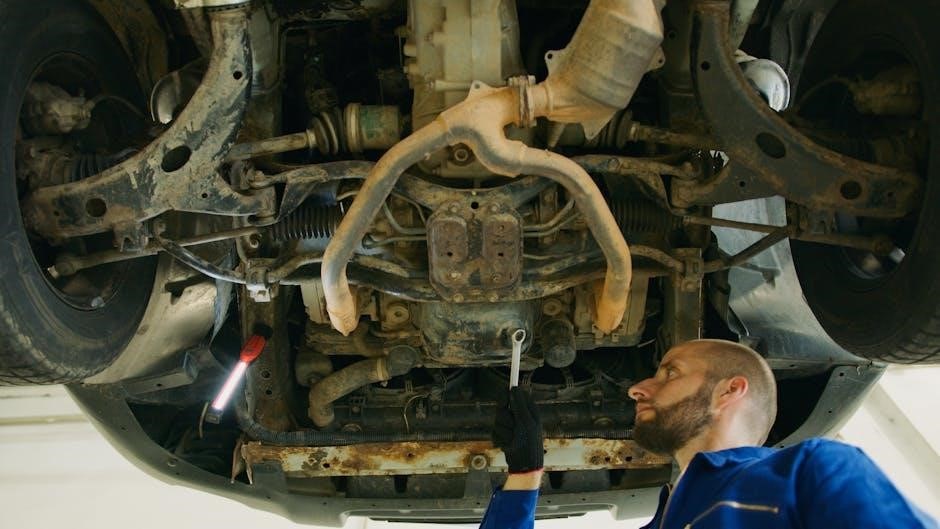
Despite these costs, technology can prevent more extensive damage, ultimately saving money. Remote diagnostics and access to online repair databases improve efficiency. The long-term impact suggests a shift towards specialized skills and potentially higher rates for complex repairs.
B. Rising Parts and Supply Costs
Global supply chain disruptions significantly impact auto part prices, mirroring broader economic challenges. Increased demand coupled with limited manufacturing capacity drives up costs for everything from basic filters to complex electronic components. Like monitoring A1C levels for blood sugar, tracking part costs is crucial for accurate repair estimates.
Raw material price increases, particularly for metals and plastics, directly affect manufacturing expenses. Shipping costs have also surged, adding to the final price consumers pay. Dealerships and independent shops alike are grappling with these escalating expenses.
These rising costs inevitably translate to higher labor rates, as shops must cover their expenses. The need for specialized tools and fluids further contributes to the overall cost of repairs. Proactive vehicle maintenance can mitigate some expenses, but parts inflation remains a significant factor.
X. Additional Fees to Be Aware Of
Beyond the hourly labor rate, several supplementary charges can inflate your final repair bill. Shop supplies fees, covering items like gloves, cleaners, and shop towels, are common, though often not itemized. Environmental fees address the disposal of fluids like oil, coolant, and refrigerant, adhering to regulations.
Taxes, of course, are added to the total cost, varying by location. Some shops may include a “diagnostic fee,” even if the diagnosis doesn’t lead to a repair; clarify this upfront. Like regular blood pressure checks, scrutinizing the bill is essential for transparency.

Be wary of unrequested services or parts, always approving any additions before work begins. Understanding these potential fees empowers you to negotiate and avoid surprises, ensuring a fair and transparent repair experience. Accurate billing practices build trust between you and your mechanic.
A. Shop Supplies and Environmental Fees
Shop supplies fees are a standard, though often opaque, addition to labor costs. These cover consumables used during repairs – gloves, rags, cleaning solvents, and protective gear. While seemingly minor, they can accumulate, impacting the overall bill. Transparency is key; ask for a detailed breakdown if not provided.
Environmental fees address responsible disposal of automotive fluids. Oil, coolant, brake fluid, and refrigerants require specialized handling due to environmental concerns. These fees cover the cost of recycling or proper disposal, adhering to regulations. Like maintaining bodily fluids, responsible handling is crucial.
These fees aren’t necessarily “hidden,” but they’re often bundled into the total. Understanding their purpose and requesting clarification can prevent misunderstandings and ensure fair pricing. Accurate assessments, similar to blood tests, reveal the complete cost.
B. Taxes and Other Charges
Sales tax is a common addition to auto repair bills, varying by location. The percentage applied depends on state and local tax rates, directly increasing the final cost. Ensure the tax amount is correctly calculated and reflects your jurisdiction’s regulations.
Beyond sales tax, some shops may include additional charges, such as city or county fees. These are less common but can contribute to the overall expense. Transparency is paramount; request a detailed invoice outlining all charges.
Like understanding A1C levels for health, knowing all cost components is vital. Accurate billing practices should clearly itemize taxes and any other fees. Don’t hesitate to question any unfamiliar charges to ensure a fair and transparent transaction, mirroring the importance of accurate blood pressure readings.