Cannery Row PDF: A Comprehensive Guide (Updated 02/06/2026)
Cannery Row’s digital accessibility is increasing, offering various PDF formats for convenient reading; explore legitimate sources for safe downloads, including Project Gutenberg.
John Steinbeck’s classic is readily available as a PDF, allowing readers to delve into Monterey’s historic district from any device, enhancing literary exploration.
Discover options ranging from free previews on Google Books to complete PDF versions, catering to diverse reading preferences and ensuring widespread access to this novel.
Cannery Row, a captivating novel by John Steinbeck, vividly portrays the lives of a diverse group of characters inhabiting a dilapidated, yet vibrant, coastal community in Monterey, California. Originally published in 1945, the story beautifully captures the essence of post-Depression America, exploring themes of community, loneliness, and the human spirit. Today, thanks to advancements in digital technology, accessing this literary masterpiece has become remarkably convenient.
The increasing digitization of classic literature has made Cannery Row readily available in PDF format, offering readers a portable and accessible way to experience Steinbeck’s evocative prose. This digital availability extends the novel’s reach, allowing enthusiasts and students alike to engage with the text on various devices – from e-readers and tablets to computers and smartphones. The convenience of a PDF allows for easy searching, note-taking, and sharing, enhancing the reading experience.
Numerous online platforms now offer Cannery Row as a downloadable PDF, ranging from legitimate sources like Project Gutenberg to previews on Google Books; However, it’s crucial to exercise caution when sourcing PDF files online, ensuring the chosen source is reputable to avoid copyright infringement and potential malware risks. This guide aims to provide a comprehensive overview of finding and enjoying Cannery Row in its digital form, navigating the landscape of online availability with confidence.
What is Cannery Row? A Brief Overview of the Novel
Cannery Row, penned by the celebrated John Steinbeck, isn’t a story driven by a singular protagonist, but rather a collective portrait of the inhabitants of a struggling Californian coastal district. Set during the Great Depression, the novel paints a poignant picture of life amongst the sardine canneries, depicting a community bound by shared hardship and a unique sense of camaraderie. The characters – Doc, Mack, and the boys – are flawed, yet endearing, navigating a world of limited opportunity and quiet desperation.
The narrative unfolds as a series of interconnected vignettes, showcasing the daily lives, dreams, and disappointments of these individuals. Steinbeck masterfully captures the atmosphere of Cannery Row, a place characterized by its dilapidated buildings, pungent smells, and a pervasive sense of melancholy. While the canneries themselves are central to the setting, the novel delves deeper into the human condition, exploring themes of friendship, loyalty, and the search for meaning.
Finding a PDF version allows readers to immerse themselves in this world at their own pace. The novel’s enduring appeal lies in its realistic portrayal of working-class life and its compassionate exploration of the human spirit. Downloading a Cannery Row PDF provides convenient access to this timeless American classic, preserving Steinbeck’s powerful storytelling for generations to come.
The Significance of the Cannery Row Location

Cannery Row, as a physical location in Monterey, California, wasn’t merely a backdrop for John Steinbeck’s novel; it was a vital character in itself. During the 1930s, the area thrived – and subsequently declined – with the sardine-packing industry, shaping the lives and livelihoods of its residents. Steinbeck meticulously captured the essence of this place, its gritty realism, and the unique social dynamics that emerged from its economic circumstances.
The canneries, though often depicted as decaying and neglected, represented a source of employment and a focal point for community interaction. The novel’s power stems from Steinbeck’s ability to portray this specific locale with such vivid detail, making it feel both authentic and universally relatable. Accessing a Cannery Row PDF allows readers to virtually step into this historical setting, experiencing the atmosphere firsthand.
The location’s significance extends beyond its industrial past; it embodies a sense of resilience and the enduring human spirit. Downloading the PDF version offers a portable connection to this iconic place, allowing for deeper engagement with the novel’s themes and historical context. It’s a testament to Steinbeck’s artistry that Cannery Row continues to resonate with readers today.

Finding Cannery Row as a PDF
Cannery Row PDFs are discoverable through legitimate online sources like Project Gutenberg and Google Books, offering convenient downloads for avid readers.
Explore free previews and full PDF versions, ensuring access to John Steinbeck’s classic novel in a readily accessible digital format.
Legitimate Sources for Cannery Row PDF Downloads
Securing a Cannery Row PDF from trustworthy sources is paramount, safeguarding against potential malware and copyright infringements. Project Gutenberg stands as a premier option, offering a free, legally compliant digital version of John Steinbeck’s masterpiece. This platform meticulously curates public domain texts, ensuring readers access quality literature without legal concerns.

Google Books provides another avenue, featuring a preview option and, in some cases, a complete PDF download. While the availability of a full PDF may vary based on regional copyright laws, the preview allows assessment of the text’s quality and suitability. Additionally, reputable online bookstores often offer Cannery Row in PDF format for purchase, guaranteeing a legitimate and high-quality reading experience.

It’s crucial to avoid unofficial websites promising free downloads, as these frequently harbor viruses or infringe upon copyright. Prioritizing established platforms like Project Gutenberg and authorized retailers ensures a safe and ethical acquisition of this literary classic. Always verify the source’s legitimacy before initiating any download to protect your device and support authors’ rights.
Free vs. Paid PDF Versions: What to Expect
When considering a Cannery Row PDF, understanding the differences between free and paid versions is crucial. Free PDFs, often sourced from platforms like Project Gutenberg, typically offer the complete novel text but may lack supplementary materials. Formatting might be basic, and features like interactive tables of contents or advanced search functionalities could be absent.
Paid PDF versions, available through authorized online bookstores, generally provide a more polished reading experience. Expect enhanced formatting, including adjustable font sizes, improved layout, and potentially, features like bookmarks and highlighting tools. Some paid editions may also include critical essays, author biographies, or historical context, enriching the reading experience.
However, the core text remains identical in both versions. The choice hinges on individual preferences and needs. If a clean, accessible reading copy is sufficient, a free PDF is an excellent option. If enhanced features and supplementary materials are desired, a paid version offers greater value. Always prioritize legitimate sources to avoid malware and copyright issues, regardless of whether opting for a free or paid download.
Project Gutenberg and Cannery Row
Project Gutenberg stands as a remarkable resource for accessing classic literature, and Cannery Row is readily available within its extensive digital library. As a volunteer effort, Project Gutenberg offers over 70,000 free eBooks, including works by John Steinbeck, promoting literacy and the preservation of cultural works.
The Cannery Row PDF available on Project Gutenberg is a digitized version of the novel, meticulously proofread by volunteers to ensure accuracy. While the formatting is generally straightforward – prioritizing text accessibility over elaborate design – it provides a reliable and legal means to read Steinbeck’s masterpiece.
Users can download the PDF directly from the Project Gutenberg website, or access it in various other eBook formats like EPUB and Kindle. It’s important to note that Project Gutenberg PDFs are typically unillustrated and lack supplementary materials. However, for readers seeking a free, text-focused edition of Cannery Row, Project Gutenberg is an invaluable resource, offering a legally sound and readily accessible option.
Google Books Preview and PDF Options
Google Books provides a valuable avenue for accessing Cannery Row, offering both a comprehensive preview and, in some cases, complete PDF download options. The preview feature allows readers to sample significant portions of the novel, assessing its suitability before committing to a full download or purchase.
While a full PDF isn’t always directly available for free due to copyright restrictions, Google Books often links to authorized retailers where the PDF version can be purchased legally. These retailers include online bookstores and platforms specializing in eBooks. The preview typically includes a substantial portion of the text, enabling readers to experience Steinbeck’s prose and narrative style.
Furthermore, Google Books’ search functionality allows users to pinpoint specific passages or themes within Cannery Row, enhancing research and study. It’s crucial to verify the source and legality of any PDF download found through Google Books, ensuring compliance with copyright laws. Utilizing Google Books offers a convenient way to explore and potentially acquire a digital copy of this literary classic.
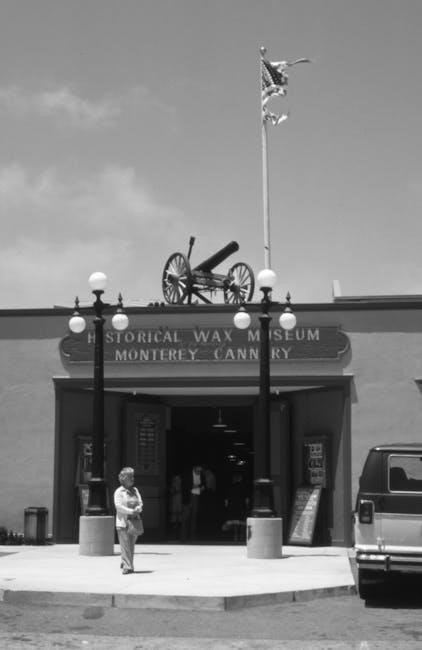
John Steinbeck and Cannery Row
John Steinbeck’s masterpiece, Cannery Row, is widely available as a PDF, allowing readers to explore his literary genius and the novel’s historical context easily.
His biography deeply influenced the themes within the book, making the PDF format a convenient way to study his work and Monterey’s history.
John Steinbeck’s Biography: Key Life Events
John Steinbeck, born February 27, 1902, in Salinas, California, experienced a formative upbringing deeply rooted in the agricultural landscape that would later permeate his writing. His early life, spent observing the struggles and resilience of working-class communities, profoundly shaped his empathetic worldview and fueled his literary explorations. He attended Salinas High School and later Stanford University, though he didn’t complete a degree, preferring to pursue his passion for writing.
Steinbeck’s initial attempts at publication faced rejection, but he persevered, working various jobs to support himself while honing his craft. His breakthrough came with novels like To a God Unknown (1933) and Tortilla Flat (1935), establishing his distinctive voice and garnering critical acclaim. The 1930s marked a period of significant social and economic upheaval, and Steinbeck responded with powerful works like In Dubious Battle (1936) and Of Mice and Men (1937), exploring themes of labor unrest and the American Dream.
The publication of The Grapes of Wrath in 1939 cemented Steinbeck’s status as a major American author, though it also sparked controversy due to its unflinching portrayal of the Dust Bowl migration. Following this, he penned Cannery Row (1945), a nostalgic and affectionate depiction of Monterey, California’s sardine canning district. The accessibility of Cannery Row as a PDF allows modern readers to connect with Steinbeck’s vision and the historical context that shaped his life and work. He continued writing prolifically until his death on December 20, 1968, leaving behind a legacy of socially conscious and beautifully crafted literature.
Thematic Elements in Cannery Row
Cannery Row, readily available as a PDF, explores profound themes of community, loneliness, and the dignity of the marginalized. Steinbeck portrays a microcosm of society where outcasts and dreamers find solace and belonging amidst the decay of the abandoned canneries. The novel champions the idea that even in poverty and hardship, human connection and compassion can flourish.
A central theme is the exploration of the American Dream and its unattainability for many. The characters in Cannery Row grapple with economic insecurity and societal indifference, yet maintain a resilient spirit and a sense of hope. Steinbeck subtly critiques capitalist structures and celebrates the inherent worth of individuals regardless of their social status.
The novel also delves into the power of myth and storytelling. Doc, the marine biologist, embodies a benevolent figure who provides intellectual and emotional support to the community, becoming a focal point for their collective imagination. The accessibility of the PDF format allows readers to closely examine Steinbeck’s nuanced portrayal of these themes and the enduring relevance of his social commentary. Ultimately, Cannery Row is a celebration of human resilience and the enduring power of community in the face of adversity.
Cannery Row’s Historical Context: Monterey, California
Cannery Row, easily accessed as a PDF, is deeply rooted in the historical reality of Monterey, California, during the Great Depression. The novel vividly depicts the once-thriving sardine canning industry that defined the area’s economy and social landscape. Steinbeck’s intimate knowledge of Monterey, where he spent formative years, lends authenticity to his portrayal of the canneries and the lives of the workers.
The PDF version allows readers to appreciate the stark contrast between the area’s former prosperity and its subsequent decline; Following overfishing and economic hardship, the canneries fell into disrepair, leaving behind a community struggling with unemployment and poverty. Steinbeck doesn’t shy away from depicting the harsh realities of this era, yet imbues his narrative with a sense of compassion and resilience.
Understanding this historical context enriches the reading experience of the PDF, revealing the social and economic forces that shaped the characters and their circumstances. Monterey’s Cannery Row served as a microcosm of broader societal challenges, making Steinbeck’s novel a powerful commentary on the human condition during a time of great upheaval. The digital format preserves this historical snapshot for future generations.

Analyzing the Cannery Row PDF Document
PDF format enhances Cannery Row’s readability, offering convenient navigation via table of contents and search functions; adjustable font sizes improve accessibility for all readers.
Digital versions preserve Steinbeck’s prose, allowing focused study and annotation, while the PDF’s portability enables reading on various devices, anytime, anywhere.
PDF Format Advantages for Reading Cannery Row
PDF (Portable Document Format) offers significant advantages when engaging with John Steinbeck’s Cannery Row. Unlike other digital formats, PDFs faithfully preserve the original formatting, ensuring the reading experience closely mirrors the printed edition. This is crucial for appreciating Steinbeck’s stylistic nuances and the book’s intended aesthetic presentation.
Furthermore, PDFs are universally accessible, functioning seamlessly across various operating systems and devices – computers, tablets, and smartphones. This portability allows readers to immerse themselves in the world of Cannery Row regardless of their location or preferred reading platform. The format also supports features like zoom functionality, catering to readers with visual impairments or those who simply prefer larger text.
A key benefit is the ability to easily search within the document. Locating specific passages, characters, or themes becomes effortless, facilitating in-depth analysis and research. Many PDF readers also enable annotation, allowing readers to highlight key passages, add notes, and engage actively with the text. This interactive element transforms reading into a more dynamic and enriching experience, perfect for students, book clubs, or anyone seeking a deeper understanding of Steinbeck’s masterpiece.
Finally, PDFs are generally stable and reliable, minimizing the risk of formatting errors or compatibility issues, ensuring a smooth and uninterrupted reading journey through the evocative streets of Cannery Row.
Navigating the PDF: Table of Contents and Search Functionality
Successfully navigating a Cannery Row PDF document relies heavily on utilizing its built-in features. Most well-formatted PDF versions include a clickable table of contents, allowing readers to jump directly to specific chapters or sections within the novel. This is particularly useful for revisiting favorite passages or analyzing the narrative structure of Steinbeck’s work.
However, the search functionality is arguably the most powerful tool for exploration. By simply entering keywords – character names like Doc or Mack, locations such as Cannery Row itself, or thematic elements like loneliness or community – readers can instantly locate every instance of that term within the text. This accelerates research, facilitates close reading, and reveals subtle connections that might otherwise be missed.
Effective searching requires understanding potential variations in spelling or phrasing. Experimenting with different keywords and utilizing Boolean operators (AND, OR, NOT) can refine search results. Remember that PDF search is case-insensitive, meaning it will find both “Cannery Row” and “cannery row”.
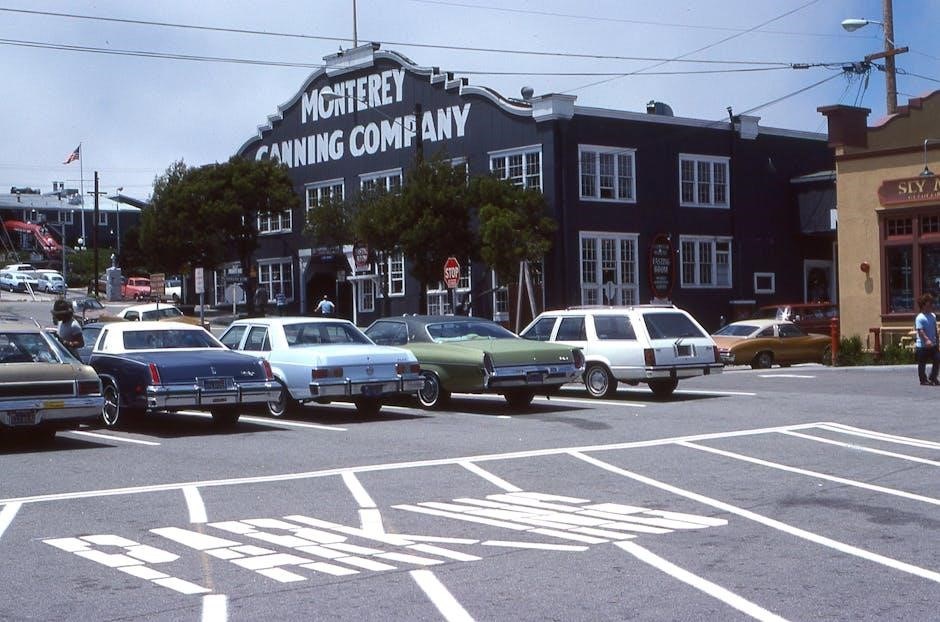
Mastering these navigation tools transforms the PDF from a static document into an interactive and dynamic reading experience, unlocking the full potential of Steinbeck’s literary masterpiece.
Font Size and Accessibility Options within the PDF
Reading a Cannery Row PDF comfortably requires adjusting the display to suit individual needs; Most PDF readers offer robust font size controls, allowing users to increase or decrease the text to a preferred level. This is crucial for readers with visual impairments or those simply preferring a larger, more readable format.
Beyond font size, many PDF viewers provide accessibility options like reflow text, which adjusts the text to fit the screen width, eliminating horizontal scrolling. Color customization is also frequently available, enabling users to change background and text colors for improved contrast and reduced eye strain. These features are particularly beneficial for individuals with dyslexia or other reading difficulties.
Furthermore, screen reader compatibility is a vital accessibility consideration. Ensure the PDF is tagged correctly, allowing screen readers to accurately interpret and vocalize the text. Checking for alternative text descriptions for images enhances the experience for visually impaired readers.
Prioritizing these font and accessibility settings ensures that John Steinbeck’s Cannery Row is enjoyable and accessible to the widest possible audience.

Related Downloads and Resources
Explore captivating audiobook versions of Cannery Row, alongside other acclaimed works by John Steinbeck, enriching your literary journey with diverse formats.
Discover supplementary materials and critical analyses to deepen your understanding of the novel’s themes and historical context, enhancing your reading experience.
Cannery Row Audiobook Availability
Beyond the convenience of a Cannery Row PDF, many readers enjoy experiencing Steinbeck’s prose through audiobooks. Several platforms offer narrated versions of the novel, providing an alternative way to immerse yourself in the story of Monterey and its inhabitants.
Audible, a leading provider of audiobooks, typically features multiple recordings of Cannery Row, often with different narrators offering unique interpretations of the characters and atmosphere. These audiobooks are generally available for purchase, allowing you to own the file and listen offline.
LibriVox, a volunteer-driven project, provides free audiobooks of public domain works, and while the quality can vary, it’s a valuable resource for accessing classic literature like Cannery Row without cost. Keep in mind that the narration style may differ from professional recordings.
Other audiobook platforms, such as Google Play Books and Kobo, may also carry Cannery Row in audio format. Checking these sources can expand your options and potentially uncover special offers or discounts. Listening to the audiobook can complement your PDF reading, offering a richer and more engaging experience.
Consider the narrator’s style and pacing when choosing an audiobook to ensure it aligns with your preferences.
Exploring Other Works by John Steinbeck
Having enjoyed Cannery Row in PDF format, many readers naturally gravitate towards exploring the broader literary landscape crafted by John Steinbeck. His prolific career produced a wealth of impactful novels, short stories, and novellas, each offering unique insights into the human condition and American society.
The Grapes of Wrath, perhaps his most famous work, provides a harrowing depiction of the Dust Bowl migration and the struggles of the Joad family. It’s readily available in PDF and audiobook formats, mirroring the accessibility of Cannery Row.
Of Mice and Men, a poignant novella, explores themes of friendship, loneliness, and the American Dream. Its concise narrative makes it an excellent follow-up read after Cannery Row. PDF versions are widely available online.
East of Eden, a sprawling family saga, delves into the complexities of good and evil, drawing inspiration from the biblical story of Cain and Abel. It’s a more substantial undertaking but rewards readers with its depth and scope.
Don’t overlook Steinbeck’s short story collections, such as The Long Champion, which showcase his masterful storytelling in a condensed format. Exploring these works enriches your appreciation for his literary talent and thematic concerns.
BTA Baltic Insurance Company and its Relevance (Contextual Information)
While seemingly disparate, the mention of BTA Baltic Insurance Company alongside Cannery Row and PDF downloads stems from online search result clustering. The information appeared within search snippets relating to file sharing and digital content access, specifically when seeking PDF versions of the novel.
BTA, a leading insurance provider in the Baltic states, is part of Vienna Insurance Group (VIG). Its presence in search results likely arises from advertising or sponsored content appearing alongside legitimate PDF download links. The connection is purely contextual, driven by search engine algorithms.
The company offers a comprehensive range of insurance products, including car, property, travel, and civil liability coverage, primarily serving individuals and businesses in Lithuania, Latvia, and Estonia. Their digital presence includes online policy management and claim reporting.
It’s crucial to understand that BTA has no direct affiliation with John Steinbeck or Cannery Row. The co-occurrence in search results is a byproduct of online marketing and keyword association. Readers seeking the novel should focus on reputable sources for PDF downloads, like Project Gutenberg.
Therefore, the inclusion of BTA information is incidental, highlighting the complexities of online search and the potential for unrelated content to appear in results.
Vienna Insurance Group (VIG) and BTA
The Vienna Insurance Group (VIG) is a significant player in the Central and Eastern European insurance market, and its ownership of BTA Baltic Insurance Company explains its presence in search results related to Cannery Row PDF downloads. This connection, however, is purely circumstantial, stemming from online advertising and search engine algorithms.
VIG, as the largest insurance group in the Baltic region through BTA, likely utilizes online marketing strategies that place its brand alongside popular search terms, including those related to digital content like ebooks and PDFs. This doesn’t imply any direct relationship to John Steinbeck’s novel.
BTA functions as a key subsidiary of VIG, offering a broad spectrum of insurance products to both individuals and businesses across Lithuania, Latvia, and Estonia. Their services encompass car, property, health, and travel insurance, all accessible through digital platforms.
The appearance of VIG and BTA in searches for Cannery Row PDFs is a result of their marketing efforts, not a curated connection to the literary work. Readers should prioritize legitimate sources for accessing the novel in PDF format.
Consequently, understanding VIG’s ownership of BTA clarifies why the insurance company appears in these search results, emphasizing the influence of online advertising on search engine outcomes.

Potential Issues with PDF Downloads
Downloading Cannery Row PDFs from unverified sources risks copyright infringement and potential malware infections; prioritize legitimate sites for safe access.
Beware of viruses hidden within PDF files from untrustworthy websites, and always scan downloads with updated antivirus software to protect your device.
Troubleshooting opening errors may require updating your PDF reader or verifying the file’s integrity, ensuring a smooth reading experience.
Copyright Concerns and Illegal Downloads
Downloading Cannery Row as a PDF from unauthorized sources presents significant copyright concerns. John Steinbeck’s work remains protected by copyright laws, even decades after his passing, meaning distribution without permission is illegal. Many websites offering “free” PDFs are operating outside the bounds of the law, potentially exposing users to legal repercussions, though prosecution of individual downloaders is rare.
Engaging in illegal downloads not only violates copyright but also undermines the author’s estate and the publishing industry. It deprives creators of rightful compensation for their work, hindering future literary endeavors. Supporting legitimate avenues for accessing the novel, such as purchasing from authorized retailers or utilizing subscription services, ensures authors and publishers are fairly rewarded.
Furthermore, these illicit websites often bundle malware and viruses with the PDF files, posing a serious threat to your digital security. Prioritizing legal and reputable sources is crucial for protecting your device and personal information. Opting for platforms like Project Gutenberg, when offering legally compliant versions, or purchasing from established booksellers guarantees a safe and ethical reading experience. Remember, respecting copyright is essential for fostering a thriving literary ecosystem.
Malware and Virus Risks Associated with Unverified Sources
Downloading Cannery Row as a PDF from unverified websites carries substantial risks of malware and virus infection. These sites frequently act as distribution points for malicious software, disguising harmful code within seemingly harmless PDF files. Clicking on infected links or downloading compromised files can expose your computer to a range of threats, including ransomware, spyware, and keyloggers.
Ransomware encrypts your files, demanding payment for their release, while spyware secretly monitors your online activity, stealing sensitive information like passwords and financial details. Keyloggers record your keystrokes, capturing everything you type, including usernames and credit card numbers. These threats can lead to significant financial loss, identity theft, and data breaches.
To mitigate these risks, always prioritize downloading PDFs from reputable sources like official publishers, Project Gutenberg (when legally available), or trusted online bookstores. Ensure your antivirus software is up-to-date and perform regular scans. Exercise extreme caution when encountering websites offering free downloads, especially if they seem too good to be true. A proactive approach to digital security is paramount when accessing online content.
Troubleshooting PDF Opening Errors
Encountering issues opening a Cannery Row PDF is a common frustration, often stemming from several easily addressable causes. The most frequent problem is an outdated or corrupted PDF reader. Ensure you have the latest version of Adobe Acrobat Reader or a compatible alternative installed. Clearing the PDF reader’s cache can also resolve display errors and loading problems.
If the PDF file itself is damaged during download, attempting to download it again from a reliable source is the first step. Incomplete downloads frequently result in unreadable files. Another potential issue is file permissions; ensure you have the necessary permissions to access and open the PDF.
For persistent errors, try opening the PDF in a different PDF reader or web browser. Sometimes, compatibility issues arise between specific readers and certain PDF formats. Finally, consider repairing the PDF file using online repair tools, though exercise caution when uploading sensitive documents to third-party services.