Singer 99K Sewing Machine: A Comprehensive Guide
This guide delves into the iconic Singer 99K, referencing available reproduction manuals and online resources for a complete understanding of its operation and history․
Original manuals, dating back to the 1950s, are accessible, alongside vibrant online communities dedicated to this classic sewing machine model․

Historical Context of the Singer 99K
The Singer 99K emerged during a pivotal era for home sewing, solidifying Singer’s dominance in the mid-20th century․ Following Isaac Merritt Singer’s 1851 patent for a practical sewing machine, the company rapidly innovated․
The 99K, introduced in the 1950s, represented a refinement of earlier designs, offering both hand-crank and electric models․ Its popularity stemmed from its robust construction and versatility․
Access to original manuals, now often reproduced, provides insight into the machine’s intended use and maintenance during this period․ These resources, alongside burgeoning online forums, demonstrate a continued interest in preserving the legacy of this iconic machine․ The availability of these manuals underscores the 99K’s enduring appeal and historical significance within the sewing community․
Isaac Merritt Singer and the Founding of Singer
Isaac Merritt Singer’s ingenuity revolutionized sewing in 1851 with his patented sewing machine design․ This marked the official beginning of the Singer Manufacturing Company and its ascent to industry leadership․ Prior to Singer’s innovation, sewing was a laborious, time-consuming task․
Singer’s vision extended beyond the initial invention; he focused on creating a commercially viable and widely accessible machine․ The enduring success of models like the 99K, supported by detailed manuals, reflects this foundational principle․
The availability of reproduction manuals today allows enthusiasts to connect with Singer’s legacy, understanding the machine’s operation as originally intended․ His entrepreneurial spirit and commitment to innovation continue to resonate within the sewing community․
The Singer 99K, a cornerstone of mid-20th century sewing, emerged as a popular model, particularly during the 1950s․ It was available in both hand-crank and electric versions, catering to diverse user needs․ Detailed instruction manuals, now often found as reproductions, accompanied these machines․
The 99K’s enduring appeal stems from its robust construction and versatility․ These manuals provided comprehensive guidance on operation, maintenance, and troubleshooting․ The later 99-31 variant, circa 1957, featured a numbered tension and stitch length lever․
Access to these vintage manuals allows modern users to experience the 99K as intended, preserving a piece of sewing history․ The model’s longevity is a testament to Singer’s engineering and design․
Key Features of the Singer 99K
The Singer 99K boasts a remarkably adaptable design, capable of handling a wide range of fabrics, from delicate materials to sturdy denim․ Manuals highlight its versatility, detailing stitch options and adjustments․ Its robust metal frame contributes to its durability and smooth operation․
A key feature is the adjustable stitch length and width, controlled via a numbered lever in later models (99-31); The manual provides clear instructions on utilizing these controls for varied sewing projects․
The machine’s simplicity and reliability, as explained in the original manuals, made it a favorite among home sewers․ Understanding these features, through the manual, unlocks the 99K’s full potential․
Distinctive Design Elements
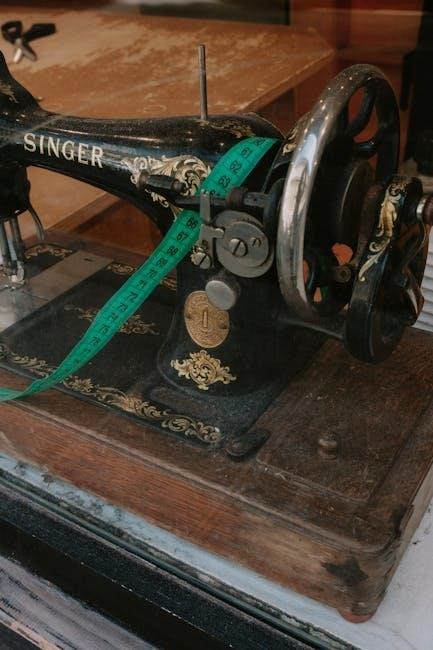
The Singer 99K showcases a sleek, streamlined aesthetic, characteristic of mid-century design․ Manuals often feature detailed illustrations of its form, highlighting the elegant curves and polished finish․ Available in both hand-crank and electric models, it offered versatility to users․
A notable element is the distinctive tension dial, particularly in the later 99-31 version, clearly explained within the reproduction manuals․ The machine’s compact size and portability were also key design considerations․
The overall design prioritized functionality and ease of use, as evidenced by the intuitive layout detailed in the instruction manuals, making it a visually appealing and practical sewing machine․
Mechanical Components and Functionality
The Singer 99K’s robust construction, detailed in its manuals, features a durable metal frame ensuring stability during operation․ Its functionality centers around a vibrating shuttle system, efficiently forming the stitch․ Manuals illustrate the interplay between components like the feed dogs, presser foot, and needle bar․
Understanding the bobbin winding and insertion mechanisms, as explained in the guides, is crucial for proper function․ The machine’s versatility stems from its ability to handle various fabrics, a capability highlighted in instructional materials․
The 99K’s mechanical simplicity, thoroughly documented, contributes to its longevity and ease of maintenance, making it a reliable workhorse for sewing enthusiasts․
Setting Up Your Singer 99K
Initial setup, as detailed in reproduction manuals, involves securing the machine on a stable surface․ Correct placement is vital for smooth operation․ The manual guides users through attaching the hand crank or connecting the electric motor, depending on the model․

Properly installing the bobbin case and bobbin, following the illustrated steps, is fundamental․ Ensuring the presser foot is correctly positioned and the needle is securely fastened are also key preparatory steps․
Referencing the manual’s diagrams will aid in understanding the machine’s various adjustments, preparing it for threading and initial stitching tests, ensuring optimal performance․
Threading the Machine
The Singer 99K threading process, clearly illustrated in the manual, begins with the spool pin and follows a specific path through tension discs and guides․ Accurate threading is crucial for consistent stitch formation․
The manual emphasizes the importance of correctly guiding the thread through the take-up lever and then down to the needle․ It details how to ensure the thread is properly seated in the needle eye․
Following the diagram precisely prevents skipped stitches and tension issues․ Reproduction manuals often highlight common threading errors, aiding beginners in achieving a clean, even thread path․
Winding the Bobbin
The Singer 99K bobbin winding procedure, detailed in the manual, involves placing the spool on the pin and guiding the thread to the bobbin winder․ Ensuring proper tension during winding is key․
The manual illustrates how to engage the bobbin winder and start the machine, allowing the thread to evenly distribute onto the bobbin․ It stresses the importance of not overfilling the bobbin․
Reproduction manuals often include diagrams showing the correct thread path for winding, preventing uneven winding or thread breakage․ A consistently wound bobbin ensures smooth, reliable sewing performance with the 99K․
Installing the Bobbin
According to the Singer 99K manual, correctly installing the bobbin is crucial for proper stitch formation․ The bobbin case is accessed through an opening in the machine’s bed․
The manual emphasizes the direction the bobbin should rotate as it’s placed into the case, ensuring the thread unwinds correctly during sewing․ Proper tension on the bobbin thread is also highlighted․
Reproduction manuals often feature detailed illustrations demonstrating the bobbin case insertion and thread path․ A correctly installed bobbin prevents skipped stitches and ensures consistent sewing quality on the vintage 99K machine․
Basic Sewing Techniques with the 99K
The Singer 99K manual details fundamental sewing techniques, starting with straight stitch practice․ Users are guided on fabric selection and proper needle choice for optimal results․
Zigzag stitching instructions are also included, explaining stitch width adjustments for various applications like finishing raw edges or creating decorative elements․ The manual stresses consistent fabric feed․
Adjusting stitch length is covered, demonstrating how to modify stitch density for different materials and desired aesthetics․ Mastering these basics, as outlined in the reproduction manuals, unlocks the 99K’s full potential․
Straight Stitching
The Singer 99K manual emphasizes proper straight stitching technique, beginning with thread tension calibration․ Achieving a balanced stitch requires careful adjustment of both upper and lower tensions, as detailed in the guide․
Consistent fabric feed is crucial; the manual advises gentle guidance, avoiding pulling or pushing the material․ Stitch length selection impacts the final appearance – shorter stitches for delicate fabrics, longer for heavier ones․
Practice on scrap fabric is recommended to establish a comfortable rhythm and ensure even seam allowances․ The 99K’s precision allows for accurate straight lines, vital for garment construction and quilting projects․

Zigzag Stitching
The Singer 99K manual details zigzag stitch functionality, highlighting its versatility for finishing raw edges and creating decorative elements․ Stitch width adjustment controls the zigzag’s breadth, influencing its aesthetic and functional properties․
Proper tension is paramount; the manual instructs users to test settings on scrap fabric to prevent puckering or loose stitches․ Zigzag stitch density, controlled by stitch length, impacts the seam’s strength and appearance․
Applications extend beyond edge finishing, including stretch fabrics and creating buttonholes (with optional attachments)․ Mastering zigzag stitching unlocks creative possibilities, enhancing garment construction and embellishment projects․
Adjusting Stitch Length and Width
The Singer 99K manual emphasizes precise control over stitch length and width, crucial for achieving desired results․ A numbered lever governs stitch length, with lower numbers yielding shorter stitches for delicate fabrics and higher numbers for heavier materials․
Stitch width adjustment, also lever-controlled, dictates the breadth of zigzag stitches․ The manual advises testing adjustments on scrap fabric to determine optimal settings for various applications, preventing puckering or uneven seams․
Understanding these controls unlocks versatility, enabling users to tailor stitches to specific fabric types and project requirements․ Consistent practice, guided by the manual, ensures professional-quality sewing outcomes․
Troubleshooting Common Issues
The Singer 99K manual addresses frequent problems like needle breakage, often stemming from incorrect needle size or threading errors․ It stresses using the correct needle type for the fabric weight and ensuring proper insertion․
Thread tension issues are also covered, advising users to adjust the tension dial incrementally while testing on scrap fabric․ The manual details how to identify whether the tension is too tight or too loose, leading to balanced stitches․
Machine jamming is tackled with guidance on clearing lint and thread buildup from the bobbin area and feed dogs․ Regular cleaning, as outlined in the manual, prevents these occurrences․
Needle Breakage
The Singer 99K manual highlights several causes for needle breakage, emphasizing the importance of selecting the correct needle size and type for the fabric being used․ Using a needle too small for heavy fabrics, or a dull needle, significantly increases the risk․
Incorrect threading is a primary culprit, the manual details the proper threading path, stressing that the thread must be securely seated in all guides․ Improper insertion of the needle itself is also addressed, ensuring it’s fully pushed into the clamp․
Finally, the manual cautions against forcing the fabric, as this can put undue stress on the needle․ Slow and steady sewing is recommended, especially with thicker materials․
Thread Tension Problems
The Singer 99K manual dedicates significant attention to thread tension, recognizing it as a frequent issue for users․ It explains that balanced tension is crucial for forming a proper stitch, with both upper and lower threads interlocking correctly within the fabric․

The manual details how to adjust the tension dial, noting that a numbered scale provides precise control․ Looser tension results in loops on the underside, while tighter tension causes puckering or breakage․
Proper threading and bobbin winding are also emphasized as foundational to correct tension․ The manual advises re-threading both upper and lower threads, and ensuring the bobbin is wound evenly, to resolve many tension issues․
Machine Jamming
The Singer 99K manual addresses machine jamming as a common, yet often preventable, issue․ It highlights that jams typically occur due to improper threading, incorrect fabric handling, or accumulated lint within the mechanism․
The manual instructs users to immediately stop the machine and carefully remove the jammed fabric, avoiding forceful pulling which could damage components․ It emphasizes the importance of re-threading both the upper and lower threads correctly․
Regular cleaning and oiling, as detailed in the manual, are presented as preventative measures․ Removing lint from the bobbin area and applying oil to moving parts ensures smooth operation and reduces the likelihood of jams․
Maintenance and Care
The Singer 99K manual meticulously outlines essential maintenance procedures to ensure longevity and optimal performance․ Regular cleaning is paramount, with instructions detailing lint removal from the bobbin area and feed dogs using a brush․
Oiling and lubrication are also critical; the manual specifies designated oiling points to keep moving parts functioning smoothly․ It cautions against over-oiling, which can attract dust and create further issues․
For long-term storage, the manual advises covering the machine to protect it from dust and humidity․ Periodic oiling, even during storage, is recommended to prevent corrosion and maintain its readiness for future use․
Cleaning the Machine

The Singer 99K manual emphasizes regular cleaning as vital for maintaining peak sewing performance․ Lint and thread debris accumulate, particularly around the bobbin case and feed dogs, hindering smooth operation․

The manual instructs users to use a soft brush to gently remove lint from these areas, avoiding compressed air which can push debris further inside․ A small screwdriver can carefully dislodge stubborn lint, but caution is advised to prevent damage․
The exterior of the machine should be wiped down with a soft, dry cloth․ Avoid harsh chemicals or abrasive cleaners, as these can damage the finish․ Consistent cleaning, as detailed in the manual, prolongs the machine’s life․
Oiling and Lubrication
The Singer 99K manual stresses the importance of proper lubrication for smooth, quiet operation․ Specific oiling points are detailed, including the bobbin case, shuttle race, and all moving parts of the mechanical components․
The manual recommends using a high-quality sewing machine oil, applied sparingly with an oiler․ Over-oiling can attract lint and create a sticky residue, while insufficient oil leads to friction and wear․
Regular oiling, as outlined in the manual, prevents rust and ensures the machine continues to function reliably․ Following the manual’s guidance is crucial for maintaining the Singer 99K’s longevity and performance․
Long-Term Storage
The Singer 99K manual provides guidance for extended periods of inactivity, emphasizing thorough preparation to prevent damage․ Before storage, the machine should be meticulously cleaned to remove dust, lint, and old oil, as detailed in the manual’s cleaning section․
A light coating of oil should be applied to all metal parts, protecting them from rust․ The manual advises covering the machine with a dust cover or cloth to shield it from environmental elements․
Storing in a dry, stable environment is crucial, avoiding temperature fluctuations and humidity․ Following these manual instructions ensures the Singer 99K remains in optimal condition for future use․
Finding Manuals and Resources
Locating a Singer 99K manual is achievable through several avenues․ Reproduction manuals, mirroring the original 1950s documentation, are readily available for purchase online, offering detailed instructions for both hand-crank and electric models․
Digital copies of the manual can also be found online, often in PDF format, accessible through various sewing machine enthusiast websites․ These resources provide valuable insights into the machine’s operation and maintenance․
Online forums and communities dedicated to vintage sewing machines are excellent platforms for connecting with fellow 99K owners, sharing knowledge, and accessing additional resources․
Original Singer 99K Manuals (Reproduction)
Reproduction manuals for the Singer 99K and 99-31 are widely available, catering to owners seeking guidance for this classic machine․ These aren’t original documents, but faithful recreations of the manuals from circa 1957, offering a cost-effective alternative․
They specifically cover the later 99 model, identifiable by its numbered tension and stitch length lever․ These reproductions provide comprehensive instructions, mirroring the detail found in the original publications․
Purchasing a reproduction manual ensures access to essential information regarding setup, threading, maintenance, and troubleshooting, aiding in the preservation and operation of your Singer 99K․
Online Forums and Communities
A thriving online ecosystem supports Singer 99K enthusiasts, offering a wealth of knowledge and assistance․ Numerous forums and communities are dedicated to vintage sewing machines, with dedicated sections for the 99K model․
These platforms provide a space to ask questions, share experiences, and access collective expertise regarding manual operation, troubleshooting, and parts sourcing․ Users frequently share digitized versions of manuals and helpful tips․

Engaging with these communities can be invaluable, especially when seeking solutions to specific issues or attempting complex repairs․ The collective knowledge base ensures the longevity of this iconic machine․
Parts and Accessories Availability

Despite its age, parts and accessories for the Singer 99K remain surprisingly accessible․ A robust network of suppliers specializes in vintage sewing machine components, offering replacements for worn or broken parts․
Online marketplaces and dedicated vintage sewing machine retailers are primary sources for finding needles, bobbins, feet, and even complete mechanical assemblies․ Reproduction manuals often list part numbers, simplifying the sourcing process․
While original parts are highly sought after, quality reproduction components provide viable alternatives, ensuring the continued functionality of these machines․ Careful research and comparison are recommended when selecting parts․