Rib Crib Nutrition Guide: An Overview
Rib Crib’s diverse menu‚ ranging from chips and salsa to smoked chicken nachos‚ presents varied nutritional profiles. Understanding these details empowers informed dining choices.
Understanding Rib Crib’s Menu & Nutritional Information
Rib Crib offers a substantial menu‚ encompassing appetizers like chips and queso‚ main courses featuring brisket quesadillas and bone-in wings with diverse sauce options (Hot Buffalo‚ Honey Barbecue)‚ and sides such as Smokin’ Chicken Nachos. Navigating this variety requires awareness of the nutritional content.
Currently‚ detailed nutritional breakdowns are available for key items‚ including calorie counts‚ fat content (total‚ saturated‚ trans)‚ cholesterol‚ sodium‚ carbohydrates‚ dietary fiber‚ sugars‚ and protein. Vitamin A‚ C‚ Calcium‚ and Iron levels are also specified for certain dishes. This data allows customers to make choices aligned with their dietary needs and preferences‚ promoting mindful eating while enjoying Rib Crib’s offerings.
Appetizers & Their Nutritional Breakdown
Rib Crib’s appetizers‚ including chips & salsa (1260 calories) and queso (300 calories)‚ contribute significantly to meal totals; mindful selection is key.
Chips and Salsa: Calorie and Fat Content
Rib Crib’s Chips and Salsa appetizer packs a substantial caloric punch‚ totaling 1260 calories per serving. A significant portion‚ 770 calories‚ stems directly from fat content. Breaking down the macronutrients‚ a single serving contains 84 grams of total fat‚ with 11 grams attributed to saturated fats.
Interestingly‚ the trans fat content is listed as 1 gram. Cholesterol levels are relatively low at 0mg. Sodium is quite high‚ reaching 1340mg‚ a factor to consider for those monitoring their salt intake; The carbohydrate count is substantial at 107 grams‚ with 16 grams coming from dietary fiber and 6 grams from sugars. Finally‚ this appetizer provides 16 grams of protein.
Queso (4 oz): A Detailed Look at Macros
Rib Crib’s 4oz serving of Queso is a calorie-dense option‚ delivering 300 calories‚ all of which originate from fat. The macronutrient breakdown reveals 23 grams of total fat‚ with a notable 15 grams consisting of saturated fat. Importantly‚ this queso contains zero grams of trans fat. Cholesterol is present at 55mg‚ while sodium levels are high‚ reaching 1360mg per serving.
Carbohydrate content is relatively low at 8 grams‚ with no dietary fiber. Sugars contribute 4 grams to the total carbohydrate count. The queso provides 15 grams of protein. This appetizer is primarily a source of fat and sodium‚ offering minimal fiber or complex carbohydrates.
Chips and Queso Combo: Combined Nutritional Impact
Rib Crib’s Chips and Queso combo significantly elevates the caloric and fat intake. Combining 1260 calories from the chips with 300 from the 4oz queso results in a substantial 1610-calorie appetizer. The total fat content jumps to 113 grams‚ with 33 grams being saturated fat and 10 grams of trans fat. This pairing delivers a hefty 85mg of cholesterol and a very high 2470mg of sodium.
Carbohydrates total 107 grams‚ with a modest 10 grams of fiber and 6 grams of sugar. Protein reaches 39 grams. This combination is a high-fat‚ high-sodium choice‚ offering a considerable energy load with limited nutritional benefits beyond protein.
Main Course Analysis: Meats & Combos
Rib Crib’s main courses‚ like the brisket quesadilla and bone-in wings‚ present substantial calorie and macronutrient variations depending on preparation and sauce selection.
Brisket Quesadilla: Calories‚ Fat‚ and Protein
Rib Crib’s Brisket Quesadilla is a hearty option‚ packing a significant caloric punch at approximately 1380 calories. A substantial portion of these calories‚ around 800‚ originates from fat content‚ totaling 90 grams per serving. Of this fat‚ a considerable 45 grams is saturated fat‚ demanding mindful consumption for those monitoring their intake.
However‚ the quesadilla isn’t solely about fat; it delivers a robust 81 grams of protein‚ contributing to satiety and muscle maintenance. Carbohydrate content is also notable‚ reaching 64 grams‚ with 7 grams coming from dietary fiber and 6 grams from sugars. It’s a calorie-dense choice‚ best enjoyed in moderation as part of a balanced diet. Consider portion sizes to manage overall intake.
Bone-in Wings (10): Nutritional Value per Serving
Rib Crib’s order of ten bone-in wings provides approximately 1160 calories‚ with 800 calories stemming from fat. A single serving contains 96 grams of total fat‚ including 23 grams of saturated fat and 2.5 grams of trans fat – highlighting the importance of moderation. Cholesterol levels are also significant‚ reaching 275mg per serving.
Despite the high fat content‚ wings offer a decent protein boost‚ delivering 82 grams. Carbohydrate intake is relatively low at just 2 grams‚ with no dietary fiber or sugars. Sodium content is substantial at 2280mg‚ a key consideration for those watching their salt intake. The nutritional impact is further influenced by the chosen sauce‚ as detailed below.
Hot Buffalo Wing Sauce: Sodium and Sugar Levels
Rib Crib’s Hot Buffalo wing sauce significantly impacts the overall nutritional profile of the bone-in wings. A serving of this sauce contributes 60 calories‚ all from fat‚ with 6 grams of total fat. It contains no saturated or trans fats‚ and no cholesterol. However‚ the sodium content is remarkably high‚ reaching 2620mg – substantially increasing the total sodium intake of the wing meal.
Interestingly‚ the Hot Buffalo sauce contains less than 1 gram of carbohydrates‚ with zero dietary fiber and sugar. This makes it a relatively low-sugar option compared to sweeter sauces‚ but the extremely high sodium levels remain a primary concern for health-conscious diners. Careful consideration of portion size is advised.
Honey Barbecue Wing Sauce: A Sweeter Option’s Nutrition
Rib Crib’s Honey Barbecue wing sauce offers a contrasting nutritional profile to the Hot Buffalo variety. Providing 140 calories‚ it remains fat-free‚ containing 0 grams of total‚ saturated‚ and trans fats‚ as well as cholesterol. However‚ this sweeter option introduces a notable carbohydrate content of 33 grams‚ with less than 1 gram of dietary fiber and a significant 36 grams of sugar.
Sodium levels are lower than the Hot Buffalo sauce‚ at 760mg‚ but still contribute to the overall sodium intake. While avoiding fats‚ the high sugar content makes this sauce a less desirable choice for those monitoring their sugar consumption or managing conditions like diabetes. Moderation is key when enjoying wings with Honey Barbecue sauce.

Sides & Complete Meals
Rib Crib’s complete meals‚ like Smokin’ Chicken Nachos (1300+ calories)‚ demonstrate how side choices significantly impact the overall nutritional value of a meal.
Smokin’ Chicken Nachos: A Calorie-Dense Choice
Rib Crib’s Smokin’ Chicken Nachos represent a substantial calorie commitment‚ packing over 1300 calories into a single serving. This makes them a particularly calorie-dense option on the menu. The high caloric load stems from the combination of tortilla chips‚ chicken‚ cheese‚ and various toppings.
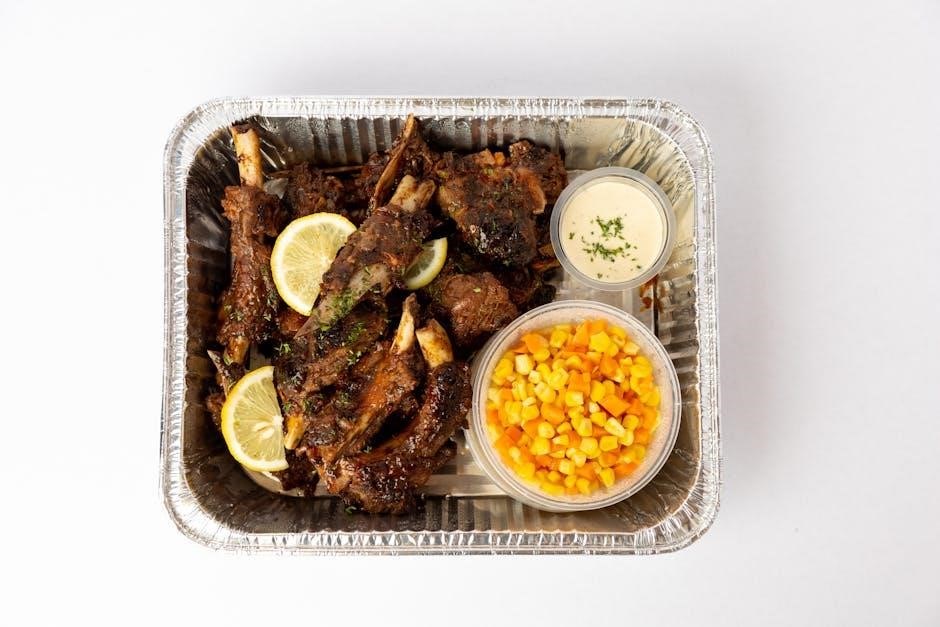
Beyond the calorie count‚ these nachos also contribute significantly to fat intake. While specific fat content details aren’t fully detailed in readily available data‚ the presence of cheese and potentially fried chicken suggests a considerable amount of total fat‚ including saturated fats.
Carbohydrate levels are also elevated due to the chips‚ and sodium content is likely high given the processed nature of many ingredients. For those monitoring their macronutrient intake‚ the Smokin’ Chicken Nachos require careful consideration and potentially portion control.

Beverages & Desserts (Nutritional Considerations)
Rib Crib’s sweet tea and soft drinks contribute significant sugar intake. Dessert options‚ while tempting‚ also add to calorie and fat consumption.
Soft Drinks & Sweet Tea: Sugar Intake
Rib Crib’s beverage selection‚ particularly soft drinks and sweet tea‚ presents a substantial sugar content consideration for health-conscious diners. These popular choices often contain high levels of added sugars‚ contributing significantly to daily intake. A single serving can easily exceed recommended daily limits‚ potentially impacting blood sugar levels and overall health.
Regular consumption of sugar-sweetened beverages is linked to various health concerns‚ including weight gain‚ type 2 diabetes‚ and cardiovascular disease. Opting for unsweetened alternatives‚ such as water or diet sodas (in moderation)‚ can significantly reduce sugar consumption. Being mindful of portion sizes and frequency of consumption is crucial when enjoying these beverages at Rib Crib.
Dessert Options: Calorie and Fat Content
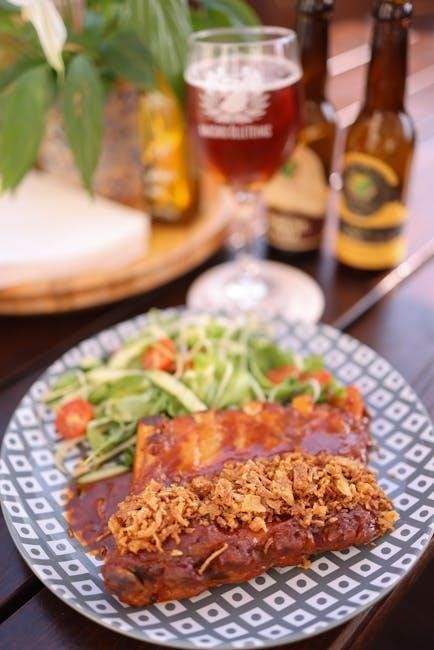
Rib Crib’s dessert offerings‚ while tempting‚ generally contribute a significant amount of calories and fats to a meal. These sweet treats are designed for indulgence and often contain high levels of sugar‚ saturated fats‚ and potentially trans fats. Portion sizes can also be substantial‚ further increasing the caloric impact;

Individuals monitoring their calorie or fat intake should approach dessert choices with caution. Considering sharing a dessert with a companion or opting for a lighter alternative‚ if available‚ can help mitigate the nutritional impact. Awareness of the ingredients and nutritional information‚ when accessible‚ is key to making informed decisions and enjoying dessert responsibly within a balanced diet at Rib Crib.

Macronutrient Breakdown & Dietary Considerations
Rib Crib’s menu presents varying protein‚ fat‚ and carbohydrate levels. Careful consideration of these macronutrients is crucial for aligning with individual dietary needs.
Protein Content Across the Menu
Rib Crib offers a range of protein sources‚ primarily through its meat-centric main courses. A ten-piece order of bone-in wings delivers a substantial 82 grams of protein‚ making it a protein-rich option. The brisket quesadilla also contributes a significant 81 grams of protein per serving‚ ideal for those focused on muscle maintenance or growth.
However‚ protein content varies considerably across the menu. Appetizers like chips and salsa‚ and queso‚ provide minimal protein‚ typically around 15-16 grams for larger portions. Sides and combo meals generally offer moderate protein levels‚ falling between these extremes.
For individuals prioritizing protein intake‚ focusing on the main course meat options – brisket‚ wings‚ or chicken – is recommended. Careful consideration of portion sizes and accompanying sides is essential to optimize protein consumption while managing overall calorie and fat intake.
Fat Content: Saturated vs. Unsaturated Fats
Rib Crib’s menu items generally contain a notable amount of total fat‚ with varying proportions of saturated and unsaturated fats. The brisket quesadilla‚ for instance‚ boasts 90 grams of total fat‚ a significant portion of which—45 grams—is saturated fat. Bone-in wings (10 pieces) contribute 96 grams of total fat‚ including 23 grams of saturated fat.
The source of fat is primarily from the meats themselves and the cooking methods employed. While specific breakdowns of unsaturated fat types aren’t readily available‚ it’s likely present in smaller quantities. High saturated fat intake is linked to increased LDL cholesterol levels‚ so moderation is key.
Appetizers like chips and queso also contribute to fat intake‚ with queso containing 23 grams of total fat‚ 15 grams of which are saturated. Choosing leaner protein sources and being mindful of portion sizes can help manage fat consumption;
Carbohydrate Sources & Sugar Levels
Rib Crib’s carbohydrate content primarily stems from sides like chips‚ tortillas in quesadillas (64g in the brisket quesadilla)‚ and sugars added to sauces and beverages. The chips and salsa combination delivers 107 grams of carbohydrates‚ with 16 grams originating from sugars. Queso‚ while higher in fat‚ also contains 8 grams of carbohydrates and 4 grams of sugar.
Wing sauces significantly impact sugar levels; Honey Barbecue sauce contains 33 grams of sugar per serving‚ while Hot Buffalo sauce has less‚ but still contributes. Soft drinks and sweet tea are major sources of added sugars‚ contributing to overall carbohydrate intake.
Dietary fiber is relatively low across most menu items‚ typically around 0-7 grams per serving. Prioritizing whole‚ unprocessed sides when available can help increase fiber consumption.
Navigating the Rib Crib Menu for Healthier Choices
Strategic portion control and selecting lower-calorie alternatives‚ like wings without sauce or smaller side dishes‚ can significantly reduce overall caloric and fat intake.
Portion Control Strategies
Effectively managing portion sizes is crucial when enjoying Rib Crib. Many menu items‚ particularly combos and appetizers like chips and queso‚ are designed for sharing and contain substantial calories. Consider splitting a larger meal with a companion or opting for smaller portion sizes when available.
Before indulging‚ assess your hunger level and choose accordingly. Avoid the temptation to finish everything on your plate; doggy-bagging leftovers is a smart strategy. Be mindful of side dish selections – a side salad or steamed vegetables can be a lighter alternative to fries or nachos.
Furthermore‚ carefully evaluate the calorie density of each item. Prioritizing lean proteins and limiting high-fat sauces can contribute to a more balanced meal. Remember‚ mindful eating and conscious portion control are key to enjoying Rib Crib responsibly.
Lower-Calorie Alternatives
Navigating Rib Crib with health in mind requires identifying lower-calorie options. Instead of the Smokin’ Chicken Nachos‚ a substantial calorie load‚ consider a brisket quesadilla and request it without excessive cheese or sour cream. Opting for bone-in wings‚ particularly with a lighter sauce like Hot Buffalo (though mindful of sodium)‚ can be a better choice than fried appetizers.
When it comes to sides‚ choose wisely. A side salad with light dressing is significantly lower in calories than chips or fries. Be cautious with beverages; water or unsweetened tea are preferable to sugary soft drinks.
Prioritize lean protein sources and be mindful of sauce additions‚ as these can quickly increase calorie and sugar intake. Small‚ strategic substitutions can make a significant difference in your overall meal’s nutritional profile.
Rib Crib Nutrition: A Comparative Analysis
Compared to similar fast-casual restaurants‚ Rib Crib’s offerings generally present higher calorie and fat content‚ particularly in combo meals and sauced items.
Comparing Rib Crib to Other Fast-Casual Restaurants
When evaluating Rib Crib’s nutritional landscape against competitors like BBQ chains or similar establishments‚ several trends emerge. Generally‚ Rib Crib’s portion sizes and sauce applications contribute to higher calorie and fat counts per serving. For instance‚ a comparable brisket meal at another restaurant might offer a smaller portion or a lighter sauce option‚ reducing the overall caloric impact.
Furthermore‚ sodium levels tend to be elevated across Rib Crib’s menu‚ particularly in wings and seasoned sides. While many fast-casual restaurants offer healthier alternatives like salads or grilled chicken‚ Rib Crib’s focus leans heavily towards smoked meats and indulgent sides. This doesn’t necessarily equate to “unhealthy‚” but requires mindful portion control and consideration of side dish choices for those prioritizing a balanced diet.

Resources for Further Nutritional Information
For detailed nutritional data and allergen information‚ visit Rib Crib’s official website. This provides comprehensive breakdowns for each menu item‚ aiding informed choices.
Rib Crib’s Official Website & Nutritional Data

Rib Crib provides a valuable resource for customers seeking in-depth nutritional information about their menu offerings. Their official website features a dedicated section detailing the calorie count‚ macronutrient breakdown (fat‚ protein‚ carbohydrates)‚ and sodium content for each item.
This data allows diners to make informed decisions aligned with their dietary needs and preferences. You can find specifics on appetizers like chips and queso‚ main courses such as brisket quesadillas and bone-in wings with various sauce options‚ and even beverages and desserts.
The website also often includes information regarding potential allergens‚ catering to individuals with food sensitivities. Regularly checking the website ensures access to the most up-to-date nutritional information‚ as menu items and formulations can occasionally change.